13 min read
How to Choose a Tattoo Studio and Artist You Won't Regret
People wait years for a tattoo and then choose the artist in a single evening of scrolling Instagram. We see it from the other side: clients come in with saved photos and ask "is this any good?". It's a great question, and one worth asking before you pay a deposit. We're writing this as a studio, so we have a stake in it and we won't pretend otherwise. That's exactly why we'll try to be brutally honest. We'll tell you what we look at when we judge other people's work, what even we won't promise you, and when you're better off looking elsewhere. At the end there's a checklist. It takes two minutes and can save you years of looking at something that didn't work out.
Key takeaways
Start with the style, not the address: look for an artist who does your style every day, and judge their healed work, not just fresh photos.
Read reviews for substance
A trustworthy review says who did the tattoo, how the visit went and how it healed. A burst of 5-star ratings with no comment is a red flag.
Hygiene is a standard you can ask about directly: sterile single-use needles, a covered workstation, health questions and a written consent form before the session.
After the consultation everything should be clear: who tattoos you, how long the session takes, what it costs and what happens to the deposit if you reschedule.
At Parvata Tattoo (Wrocław, Psie Pole) the consultation is free, the design and first touch-up are included, and tattoos start at 300 PLN.

The person first, the address second
The most common mistake? Looking for a "good studio" in general. A studio is a room, a steriliser and a set of rules. The tattoo is made by one specific person, and their hand decides how it will look in ten years. So start with yourself: what style, how big, where on the body. Only then look for people who do exactly that every day. Check the address last.
Tattoo artists specialise, a bit like doctors. Someone who does stunning realism isn't necessarily the best at small fine-line lettering. A master of heavy blackwork may not feel at home in watercolour. If you don't know your style yet, read our guide to tattoo styles first. You'll find the right people much faster.
What style should the tattoo be? That decides who you look for
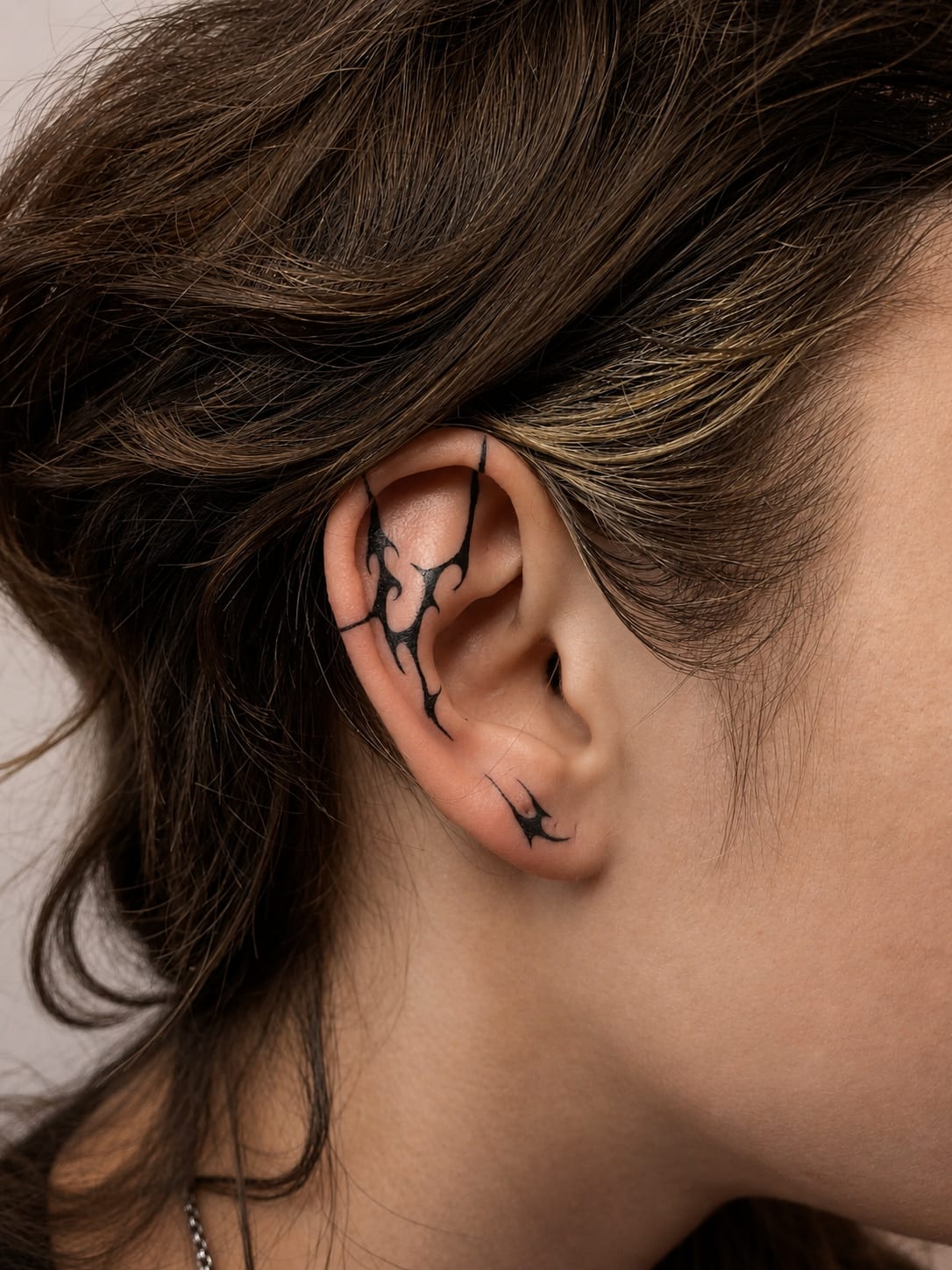
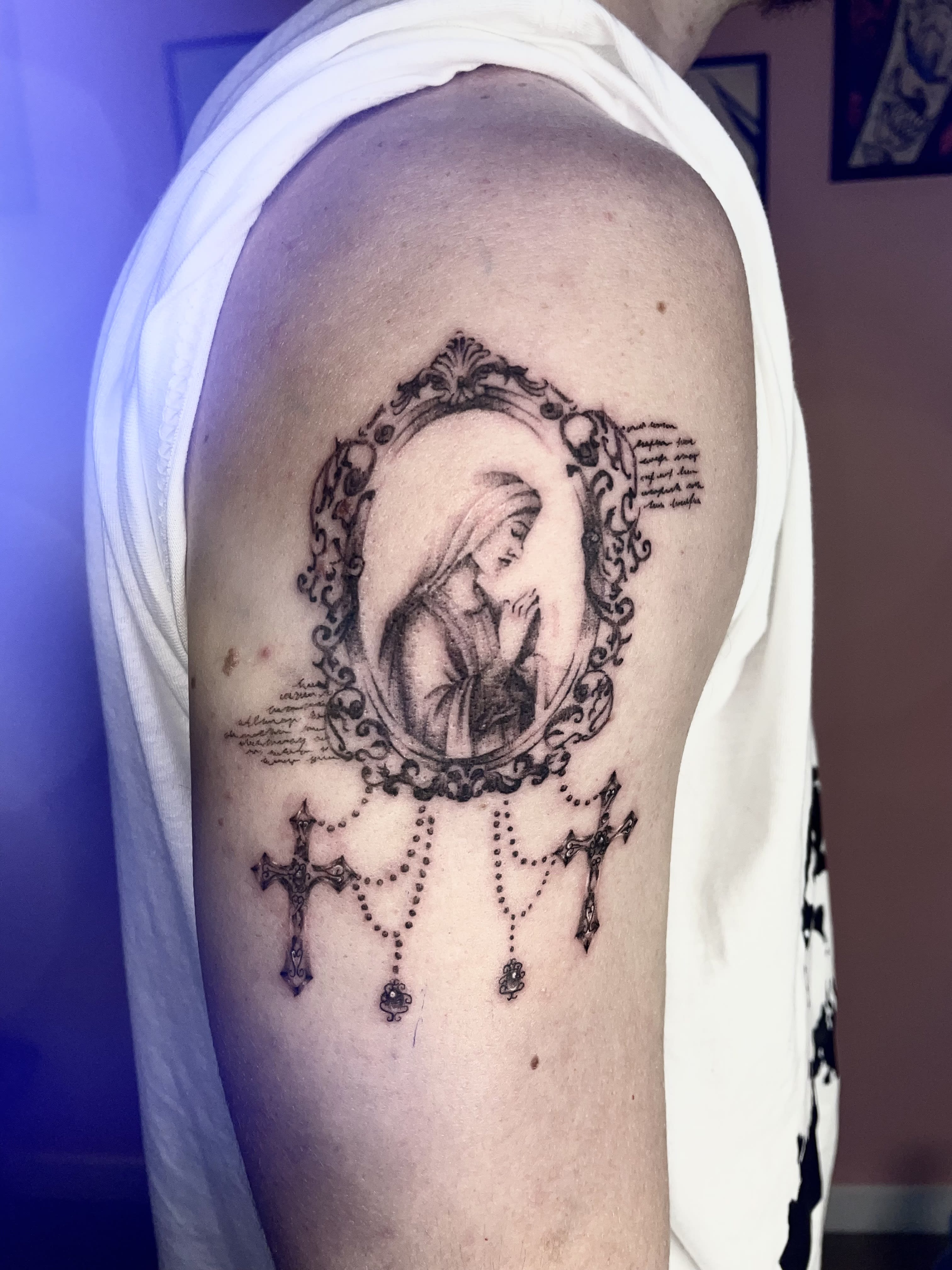
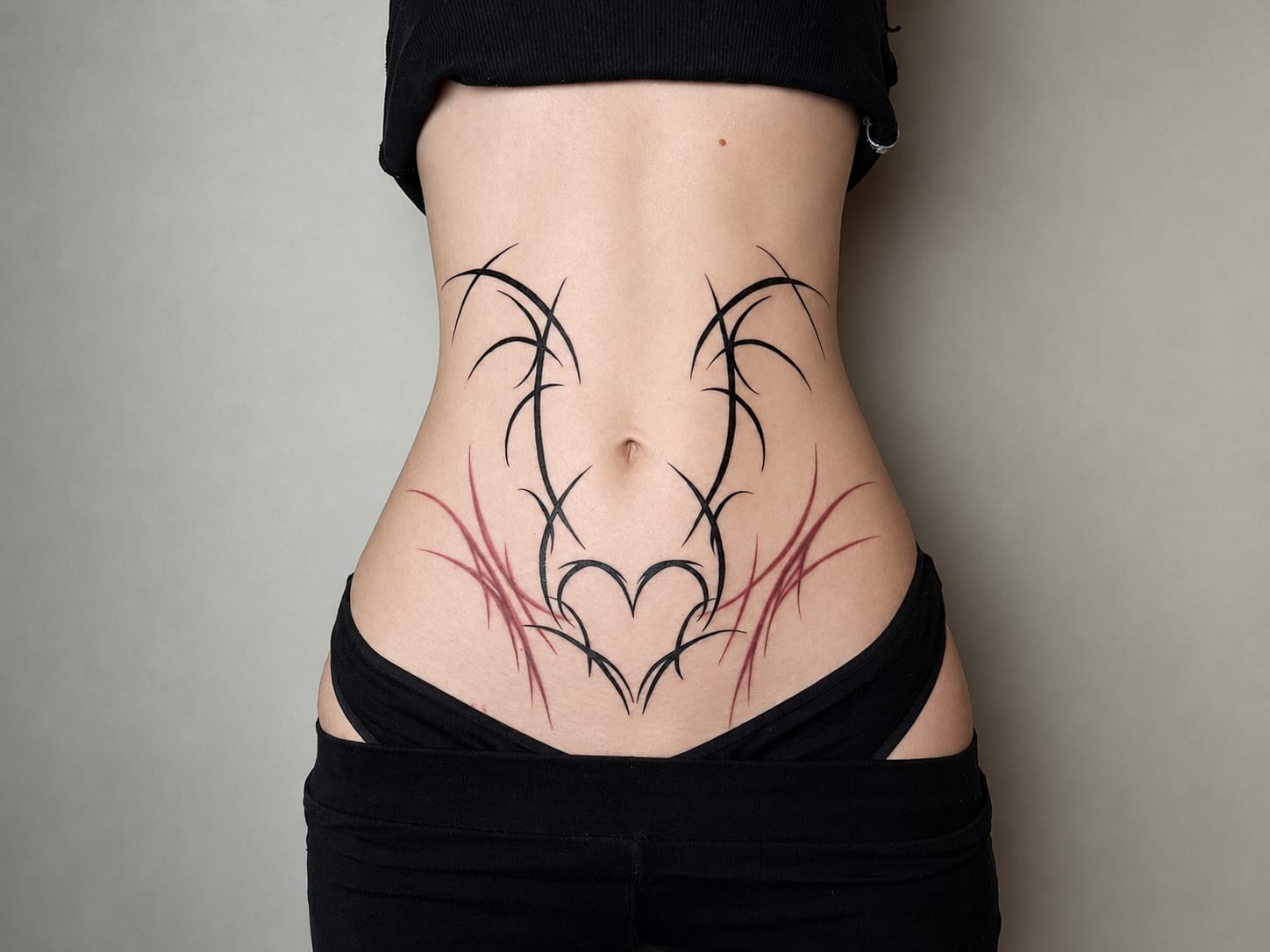
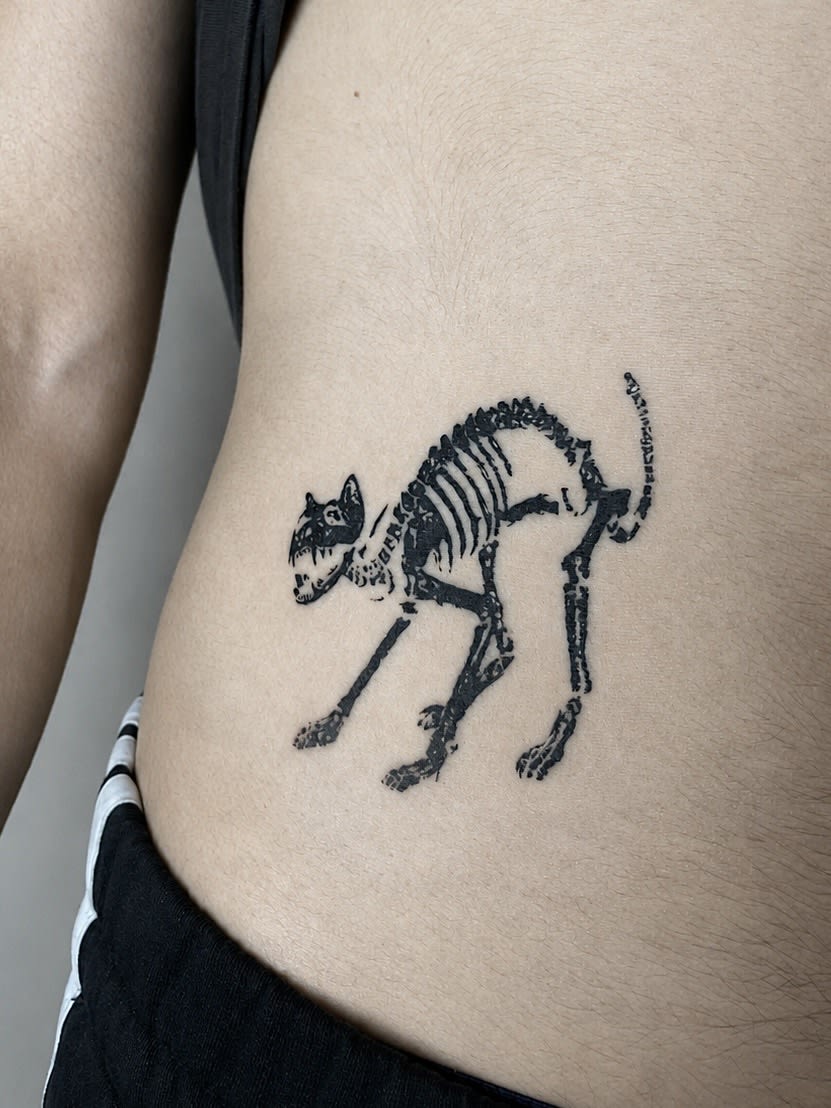
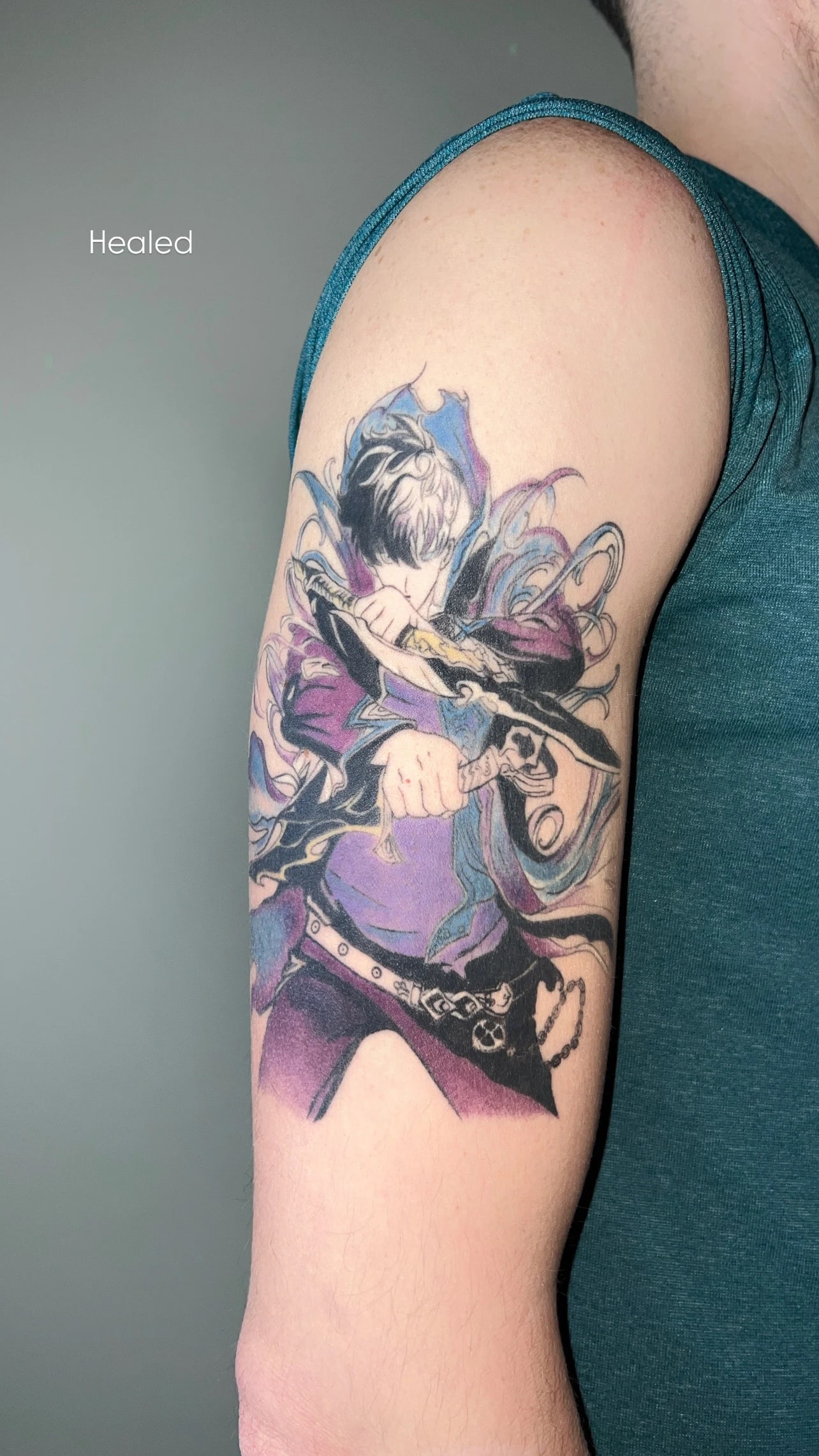
Realism, lettering, anime, fineline, tribal, traditional colour. Each of these styles is almost a different trade. Realism needs a feel for light and shadow, lettering needs precision and an eye for type, anime needs clean outlines, and tribal needs a steady hand for big black areas. The best studio for your tattoo is one where someone does your style every day, not once every six months.
So before you compare studios, name your style. If all you have is a few photos you like, that's enough too, because a good artist will recognise the style from your inspiration. Then look at portfolios with one question in mind: how much work is there in this style, and how does it look healed?
How big should it be, and where on the body?
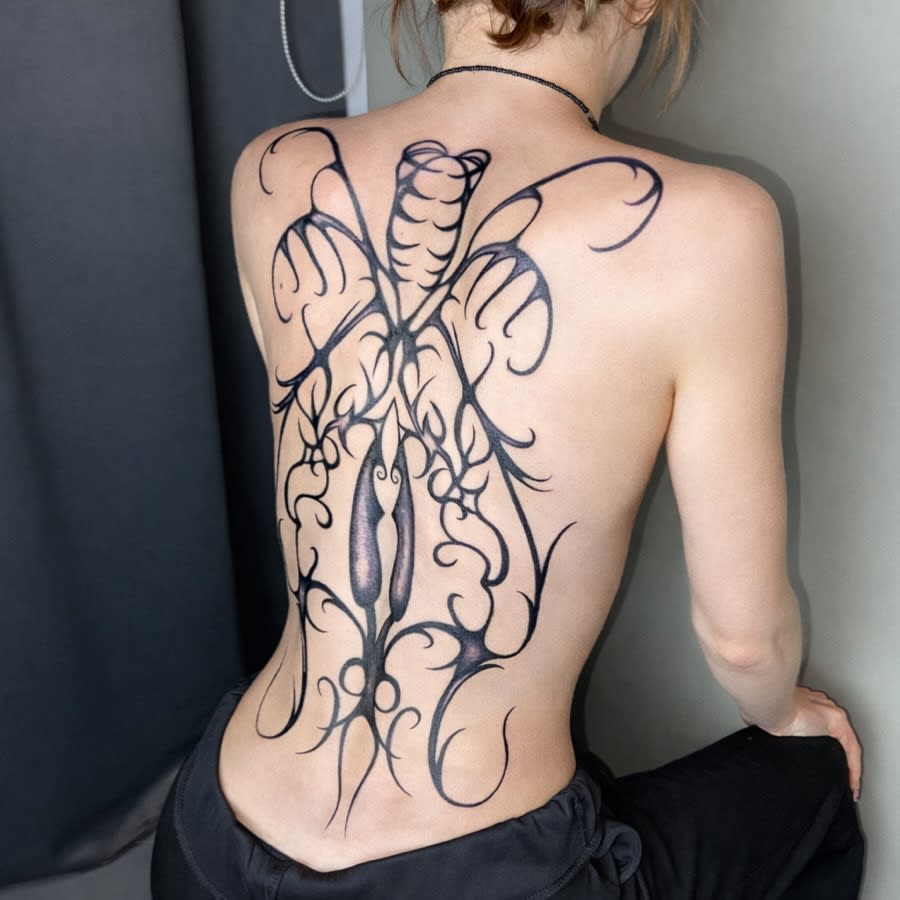
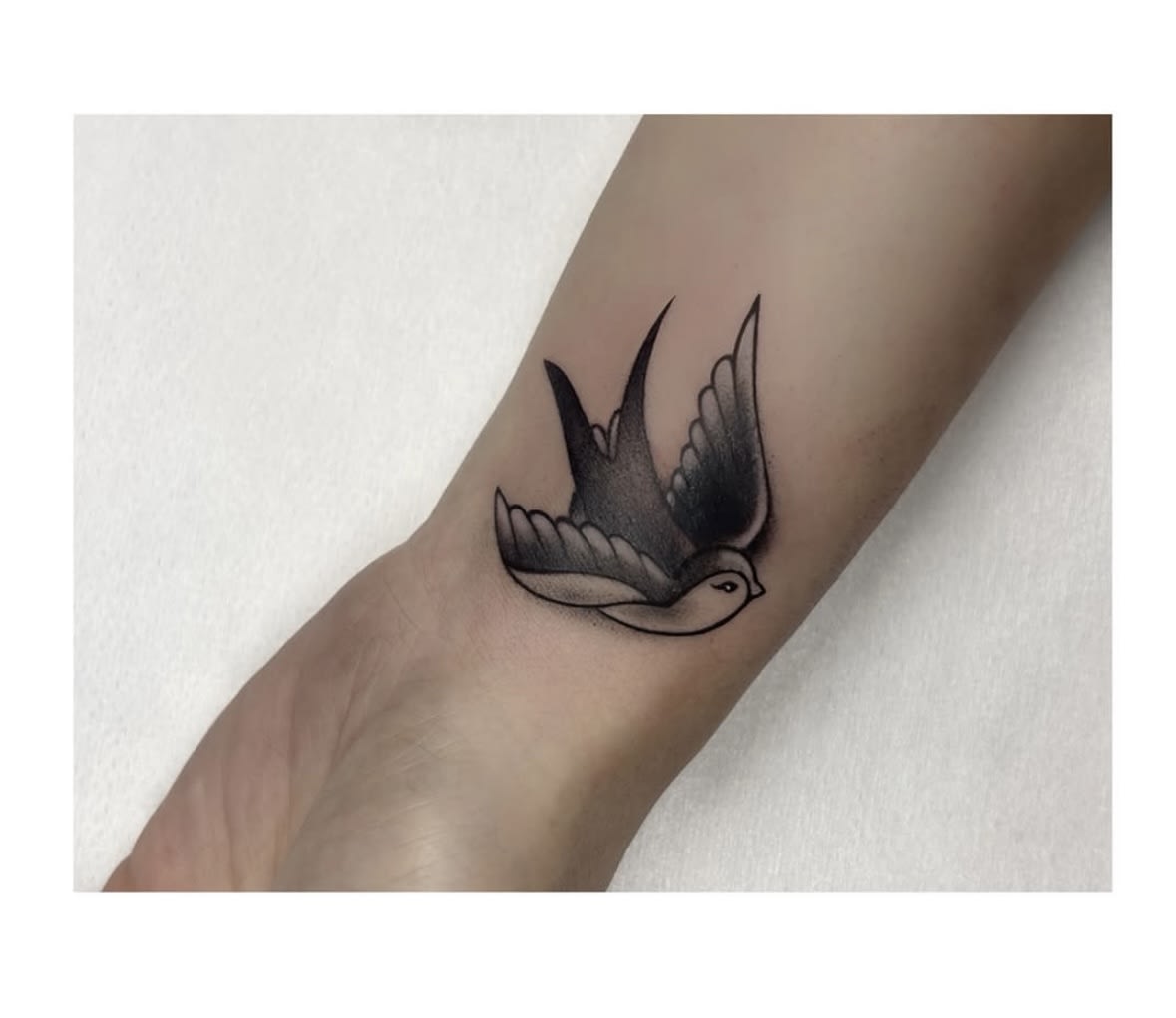
A small script on the wrist and a back covered in ornament are two different worlds, including when you choose a studio. With small pieces, precision matters, along with knowing how a fine detail will hold up over the years. With big ones, it's composition: how the design sits on the muscles, whether it moves with the body and how it reads from a distance.
Placement changes a lot in practice too. Ribs, feet and hands hurt more and heal harder; the forearm and calf are gentler. Ask whether the artist has worked on that spot before and ask for healed photos. If you're worried about pain, check our pain map before you choose the placement.
First tattoo, or covering an old one (cover-up)?
With a first tattoo, the most important thing is someone who'll guide you. Look for a studio that has time for a calm conversation, explains how the session goes and how to care for the tattoo, and doesn't laugh at your questions. A small design in a less painful spot is a good start. With us, a small tattoo starts from 300 PLN.
A cover-up is a different league. Covering an old tattoo takes a plan: the new design has to be darker and denser where the old one is strongest, and delicate fine line simply won't hide it. Look for someone with healed cover-ups in their portfolio, ideally with a "before" photo. A good studio will look at your skin first and tell you honestly what's possible. Sometimes it makes more sense to start with a few laser sessions to lighten the old design.
Planning something bigger, like a sleeve?
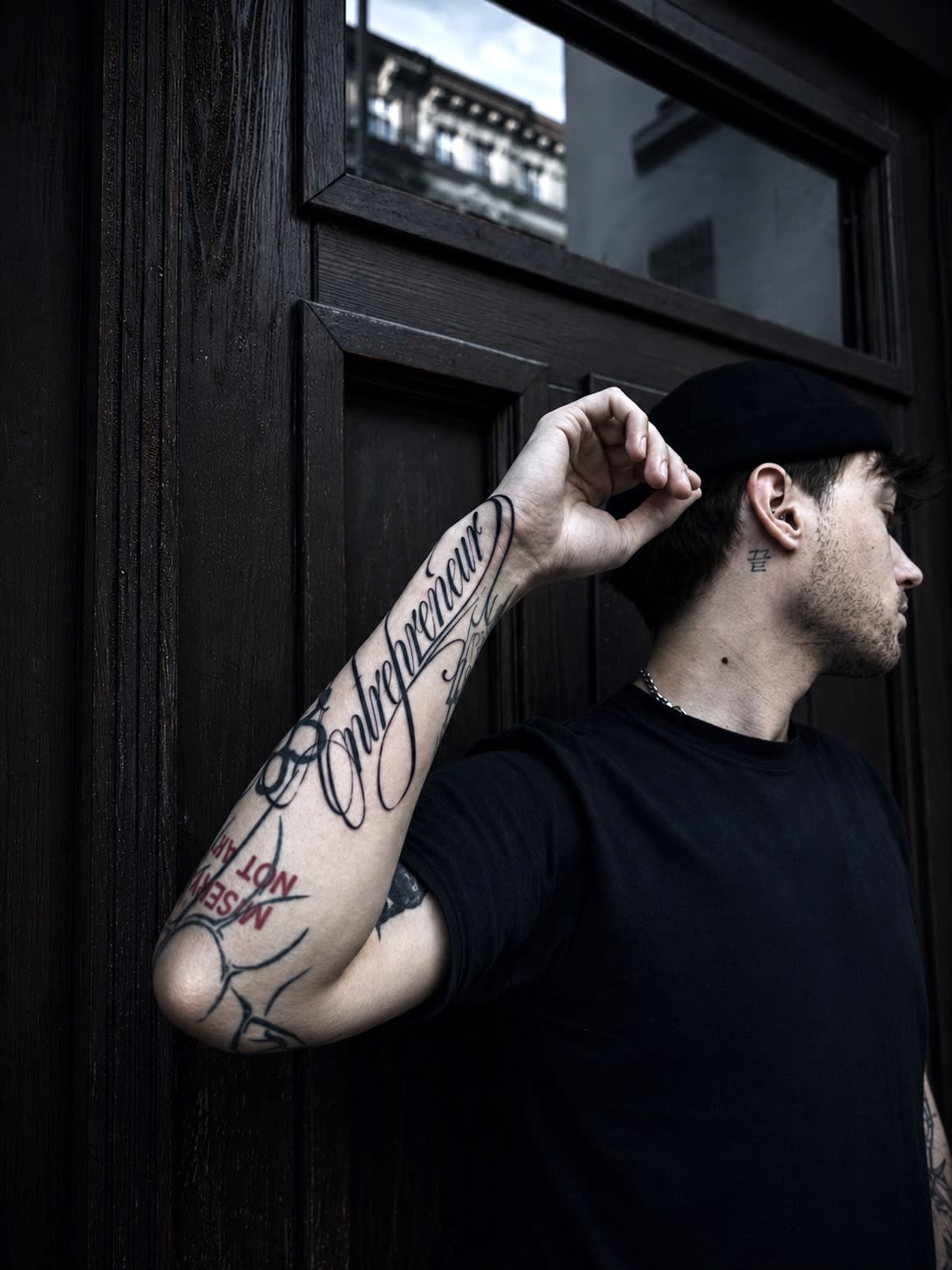
A sleeve, a back piece or a large thigh project means several sessions spread over weeks or months. You're not just choosing an artist, you're choosing someone you'll spend a dozen or more hours with, so a good rapport matters. Ask how they plan the whole thing: do they draw the full sleeve up front, how do they split the work into sessions and how long between them? On the same spot it's usually 4–6 weeks, so the skin can heal.
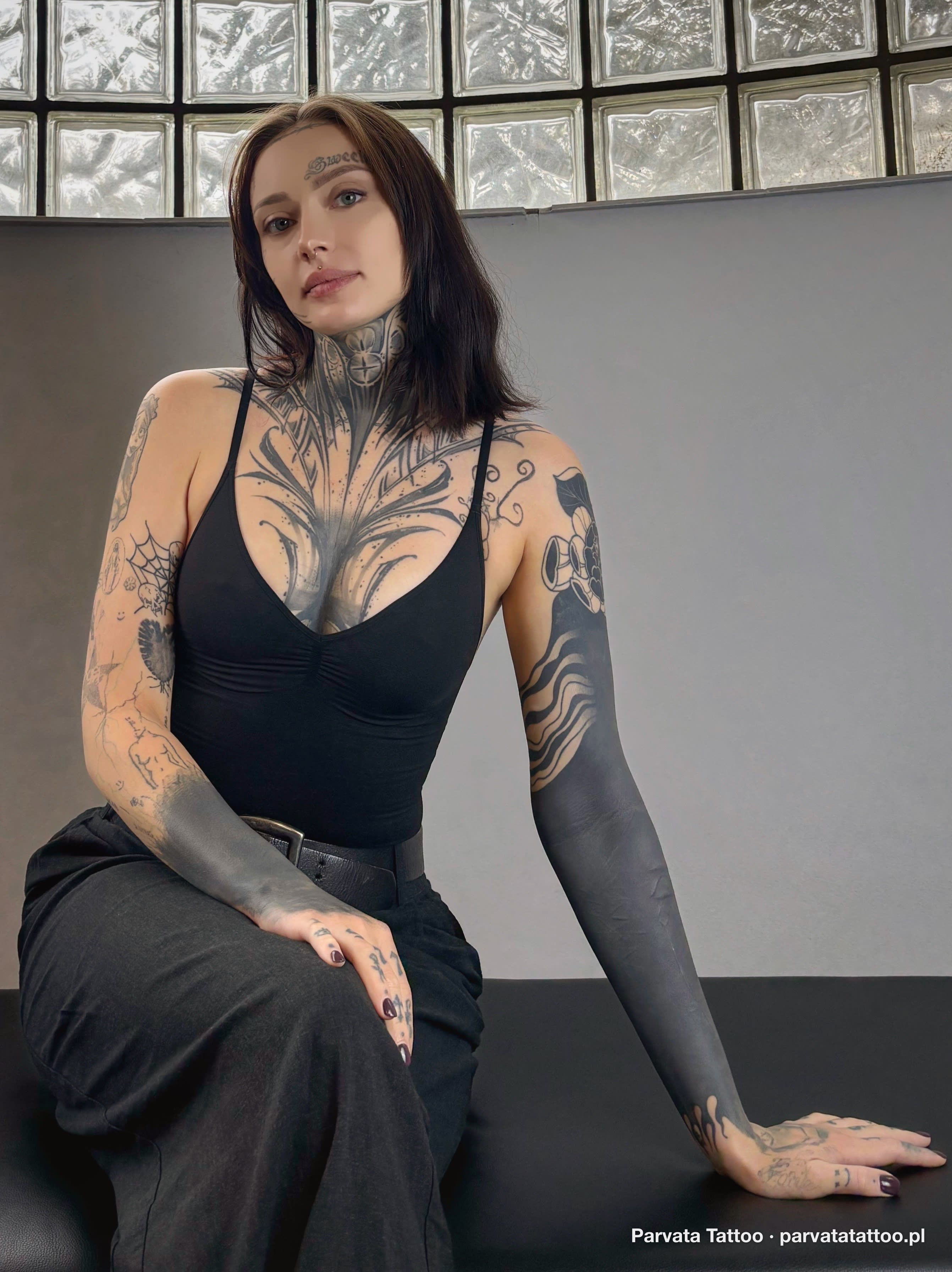
Ask about the cost of the whole project, not just the first session. Large projects are often charged per session. With us, a session on sleeves and multi-session work is roughly 1800 PLN, and we estimate the number of sessions after the consultation. It helps when one person leads the whole project, because the style stays consistent from wrist to shoulder.
Planning a sleeve? Book a consultation and we'll map it out into sessions together
Where to look, and why numbers alone can't be trusted
An artist's Instagram tells you the most, because that's where their newest work goes. Add Google Maps reviews and friends who already have tattoos. When someone recommends an artist, ask them: "show me how it looks now". A healed tattoo from a year ago, worn every day, tells you more than excitement on the day of the session.
Numbers can mislead. Thousands of followers prove someone can run a profile, not necessarily how they run a needle. Followers can be bought, and reach depends on the algorithm. Ads and the top spot on Google are similar: they show who promotes well. Treat them as a starting point and make the decision after looking at the work.
- The artist's Instagram: the latest work and how often they tattoo
- Google Maps: reviews, clients' photos and the studio's replies
- Friends: a photo of the healed tattoo is worth more than just a name
- The studio's website: credited work, prices and clear booking rules
The portfolio: how to look at it without being fooled
Every tattoo looks good on the day it's done. The skin is taut, the black shines, and good lighting and filters add the rest. So when you look through a portfolio, be a bit more of a judge and a bit less of a fan.
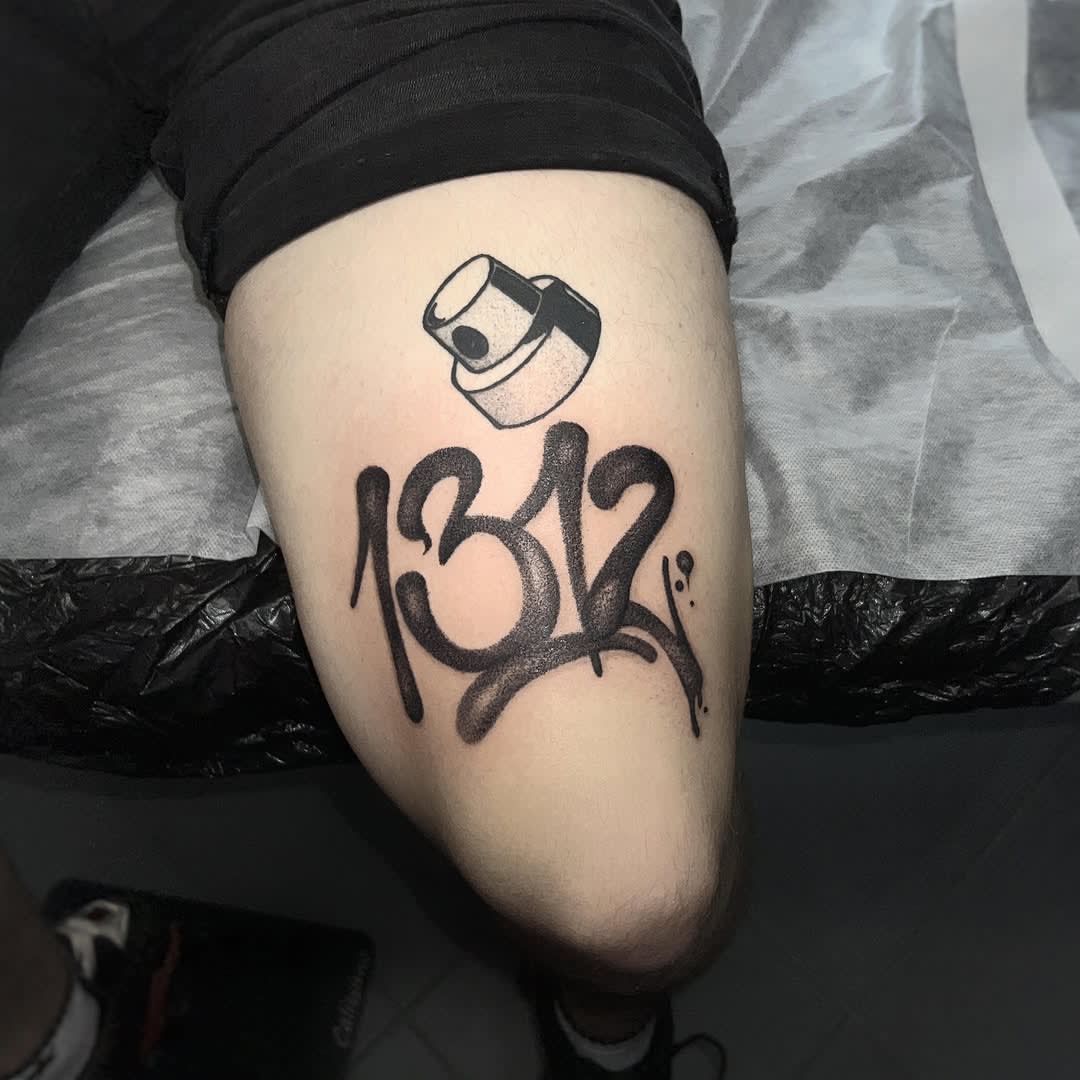
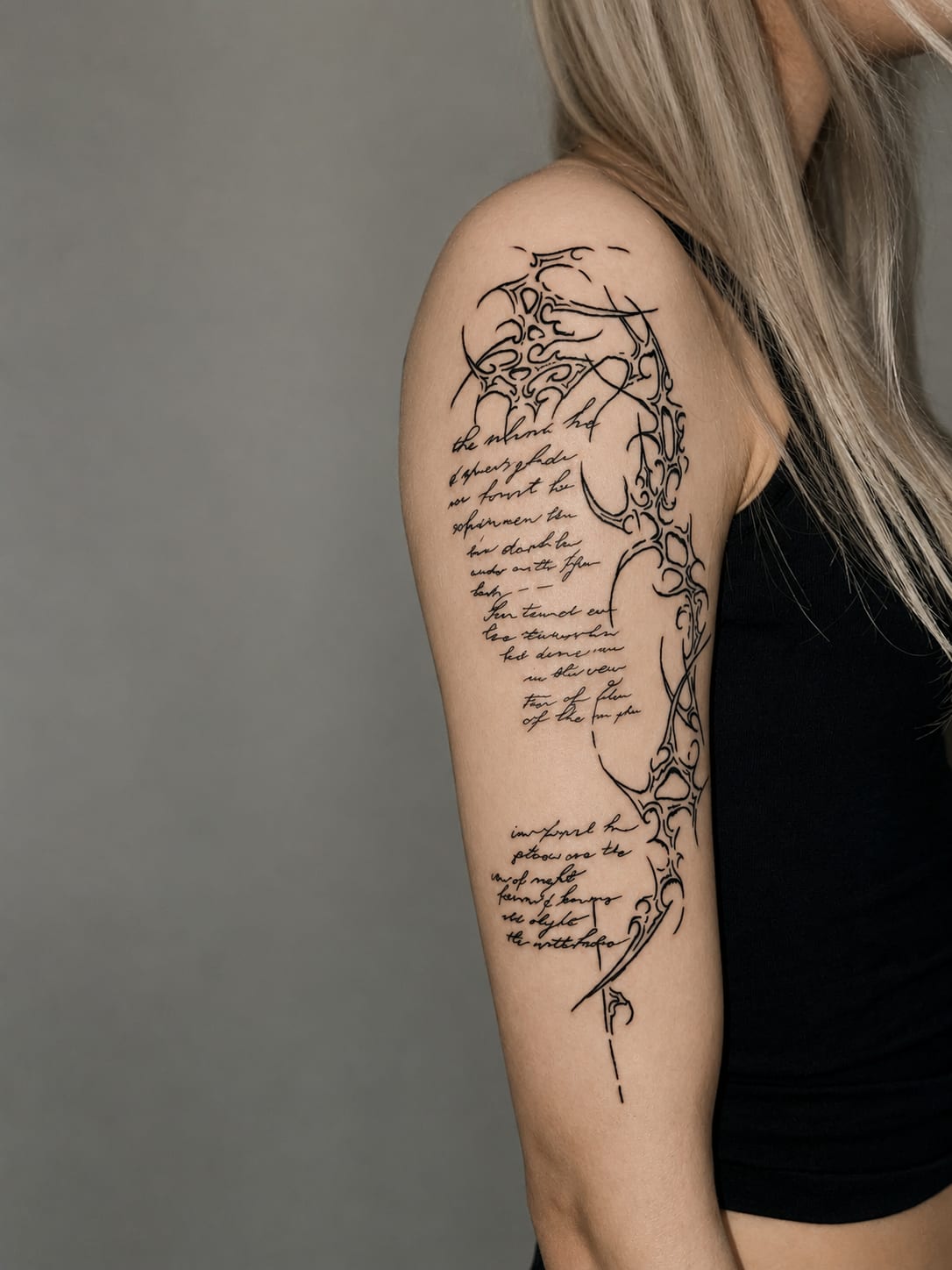
With lettering, look at the spacing between letters and whether small letters blur into a blot. With fine line, check that the line keeps the same thickness from start to finish. With realism, see whether the contrast survived healing or turned into grey haze. And if you can't find anything like your idea, don't rule the person out straight away. Just ask at the consultation whether they've done something similar.
- Healed work: photos taken weeks or years later show whether the lines stayed sharp
- Consistency: ten good pieces in your style mean more than one gem
- Close-ups: even lines without a "wobble" and black without gaps
- Similarity: work of a similar size, style and placement to your idea
- Honest photos: natural light, no heavy filters, sometimes a video
Send us photos you like and we'll tell you honestly whether it's our kind of work
Reviews: read the words, not the stars
An average of 4.9 or 5.0 says little until you read what people actually wrote. Look for details: who did the tattoo, what the talk before the session was like, whether everything happened on the agreed date, how it healed. Real reviews differ. One praises the atmosphere, another punctuality, another the fact that someone talked them out of a bad idea.
Be careful when a wave of wordless 5-star ratings appears in a short time, or when every review sounds as if one person wrote them all. Also check how the studio responds to criticism. A calm, specific reply is a good sign. Arguing with a client in the comments is not. One weaker review doesn't rule anyone out, but the same complaint from several people is a signal worth taking seriously.
Hygiene: ask freely, it's your skin
A tattoo needle breaks the skin, so hygiene is the foundation, not a nice extra. In Poland, tattoo parlours are inspected by Sanepid, the sanitary authority, but you're the one in the chair. You have every right to see how the workstation is prepared and to ask about anything that worries you. A good studio won't be offended by those questions. If anything, they'll be glad you care.
- Single-use needles and cartridges, opened from sealed packaging in front of you
- Gloves changed whenever the artist touches something outside the workstation
- Machine, cables and bottles covered with single-use film
- Inks from a known manufacturer, compliant with EU REACH rules (in force since 2022)
- Health questions and written consent before the session: allergies, medication, conditions
- Aftercare rules in writing or by message, not just by word of mouth
The consultation is a job interview, and you're the one hiring
At a good consultation the artist asks more than they talk. They want to know where the idea comes from, where the tattoo will go, how big it will be and how it should age. Sometimes they'll say "no" or "let's do it differently", for example when the lettering is so small the letters will merge in a few years. That's not spite, it's experience. Someone who agrees to everything without blinking isn't necessarily thinking about how the tattoo will look in ten years.
After the meeting everything should be clear: who will tattoo you, how long it will take, what it will cost, how big the deposit is and what happens to it if you need to move the date. If you leave more confused than you came, that's an answer too.
Questions worth saving on your phone:
- Have you done similar work? How does it look healed?
- How will this design age in this spot and at this size?
- How many sessions will it take and what will the whole thing cost?
- What happens to the deposit if I need to reschedule? Is a touch-up included?
- How do I care for the tattoo, and who do I message if something worries me?
Price: cheap now, expensive later
The price of a tattoo depends on size, detail, placement and working time. So an honest figure is only possible once the design is clear. The ranges on a studio's price list help you plan a budget, but the actual price should come after a conversation, not in the first Instagram reply before anyone has seen your idea.
A suspiciously low price is rarely a bargain. It usually means rushing, weaker materials or someone who's still learning. Touch-ups, a cover-up or laser removal then cost several times what you saved, not counting the stress. The highest price guarantees nothing either, though. Compare work and approach, and treat price as one argument, not the only one.
A deposit is completely normal. It reserves the time of an artist who sits down to design something just for you. What matters is that the rules are clear from the start: how much it is, whether it's deducted from the price and what happens if you change the date.
Red flags: when to say thanks and leave
Some signals show up right away, others only in conversation. One of them doesn't have to rule anything out, but when several pile up, keep looking. A week of searching is nothing compared with years of hiding a tattoo under your sleeve.
- Not a single healed piece in the portfolio, or photos that look like someone else's
- Tattooing in a flat or somewhere without sanitary facilities
- Nobody asks about your health or age, no written consent
- Pressure like "today's slot only" or "pay the deposit now or lose it"
- Agreeing to every idea without a word about how it will look in a few years
- An offer to copy someone else's tattoo 1:1 from a photo online
- Tattooing a minor without a parent or guardian present and consenting
- Vague deposit rules and zero aftercare information
- Impatience when you ask about hygiene
What an honest studio won't promise you
It won't promise it won't hurt. Instead it will tell you where it's easier, where it's harder and how to plan around that. It won't promise every design works at every size either. Fine details and letters spread over time, so sometimes a design has to be enlarged or simplified. Better to hear that before the session than to see it years later.
It won't promise the tattoo will look the same in twenty years as on day one. Skin ages and the sun fades pigment, which is why so much depends on aftercare and SPF. And it won't promise to cover any old tattoo with anything, because when covering old work, what's already on the skin decides. If someone promises you everything, they're usually promising more than they can deliver.
Checklist before you book
It'll take you two minutes. Tick the points off here, or take a screenshot and keep the list handy when you message studios.
0/7 ticked off — your progress is saved in this browser
And now a few words about us. All of it can be checked
Since we've talked so much about checking, it's only fair to show our cards. We're a tattoo studio in Wrocław, at ul. Poświęcka 17/40 in Psie Pole, outside the paid parking zone, which you'll appreciate during a session that lasts a few hours. Every artist on our team has her own style and her own page with her work, and our portfolio shows who made each tattoo.
We've gathered the specifics below, and we usually reply within one working day, in English too.
One more thing: if your idea fits a style we don't do, we'll tell you straight. We'd rather have an honest conversation than force a tattoo.
Frequently asked questions
The best studio is the one that's best at what you want. Before you compare, answer four questions: what style the tattoo should be, how big and where, whether it's your first tattoo or a cover-up, and whether you're planning something bigger, like a sleeve. Then look for someone who does exactly that every day, and check their healed work, reviews and hygiene.
Start with the style and look for someone who does work like your idea every day. Look at healed work, not just fresh photos. Then read reviews with real text, ask about hygiene and book a consultation. A good artist will ask you questions, tell you what will and won't work, and give you a clear price.
Single-use needles opened in front of you, a workstation covered in film, health questions and written consent before the session, clear deposit rules and aftercare instructions. The studio should answer hygiene questions calmly. If someone bristles at them, that's your answer.
One with healed cover-ups in the portfolio, ideally with "before" and "after" photos. A cover-up needs a denser, darker base than the old tattoo, so delicate fine line rarely works. A good studio will look at your skin at the consultation first and tell you honestly whether the design can be covered straight away or whether laser should come first.
Look for someone with large, healed pieces in your style who can plan the whole thing: the design, the split into sessions and the breaks between them (usually 4–6 weeks on the same spot). Ask about the cost of the whole project, not just the first session. At Parvata Tattoo we charge sleeves per session, roughly 1800 PLN.
Read the ones with text and look for details: who did the tattoo, how the conversation went, how it healed. A sudden wave of 5-star ratings without comments, or reviews that sound like one person wrote them, is suspicious. Also see how the studio responds to criticism.
A low price isn't a problem in itself, but it often comes with rushing, weaker materials or a lack of experience. Touch-ups, a cover-up or laser removal usually cost several times what you saved. Compare work and approach, and treat price as one argument.
Yes. A deposit reserves the artist's time and the work on your design. What matters is that the rules are clear from the start. Ours is 100–500 PLN, deducted in full from the price, and if you tell us about a change at least 2 weeks before the session, we move it to the new date.
Of course, as inspiration. It's a great way to start the conversation. A good artist won't copy someone else's tattoo 1:1, though; they'll design a version for you, fitted to your body and the placement.
That's usually a good sign. Artists see how designs age on skin, so if they suggest a bigger size, a different spot or a simpler form, they're thinking about how the tattoo will look in a few years. Ask why, and ask to see similar healed work.
Fill in the free consultation form on our website. Tell us what you want, where and how big, and feel free to add inspiration photos. We usually reply within one working day. The studio is at ul. Poświęcka 17/40 and works by appointment only.