


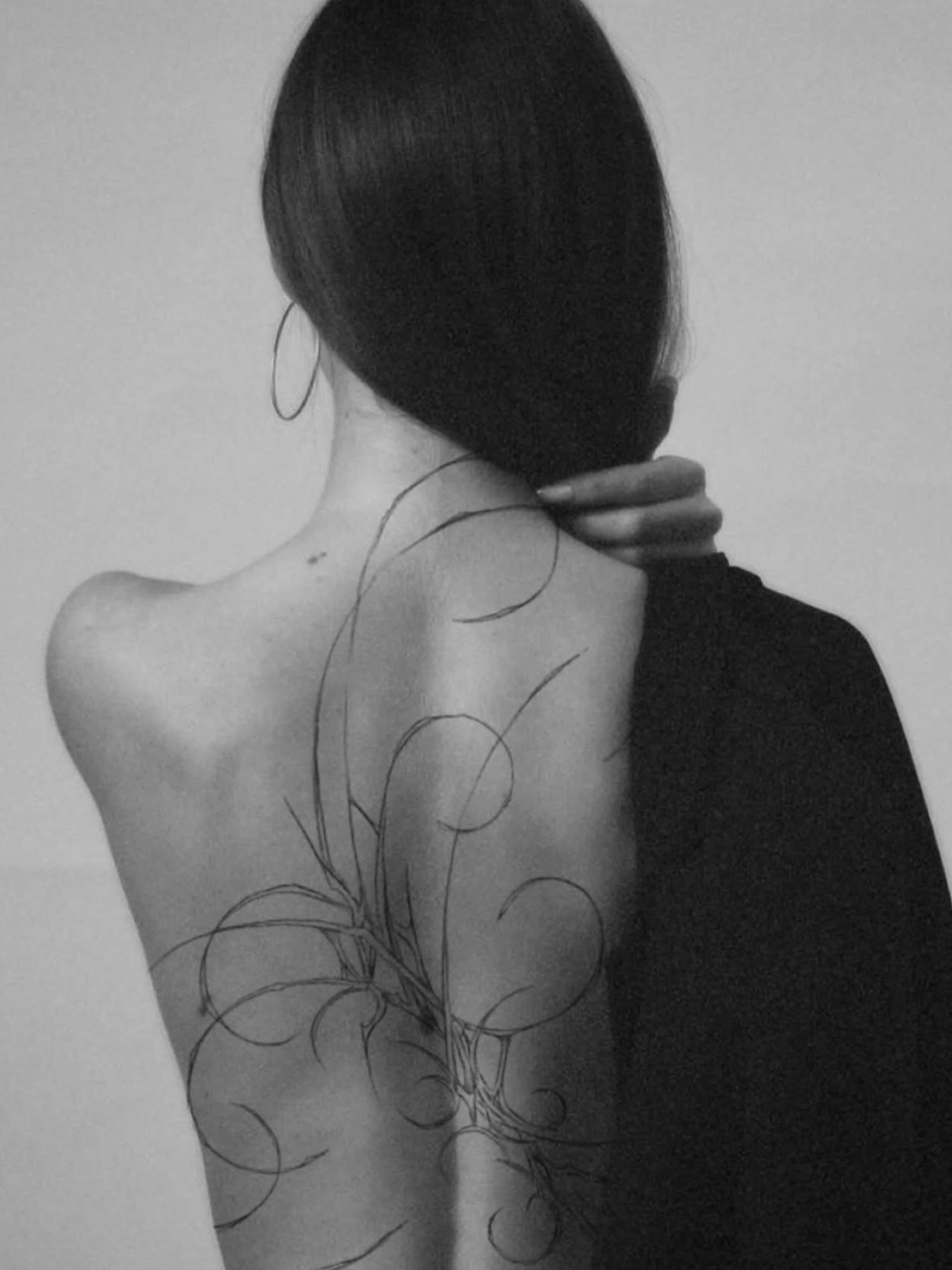
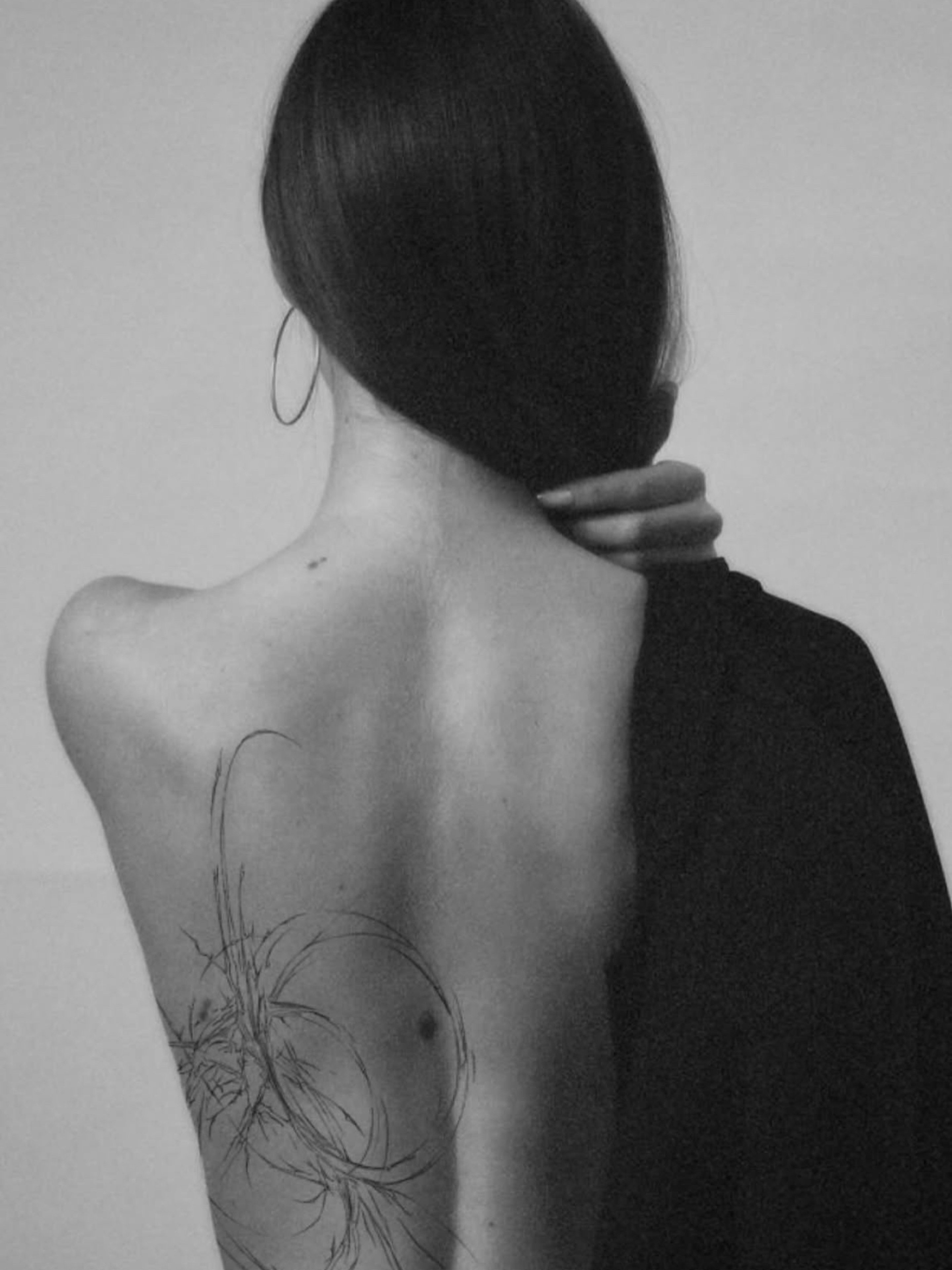


Cover-up — a second life for your tattoo
We cover old or unloved tattoos with a new design. See before-and-after transformations straight from our studio.
Tattoo styles
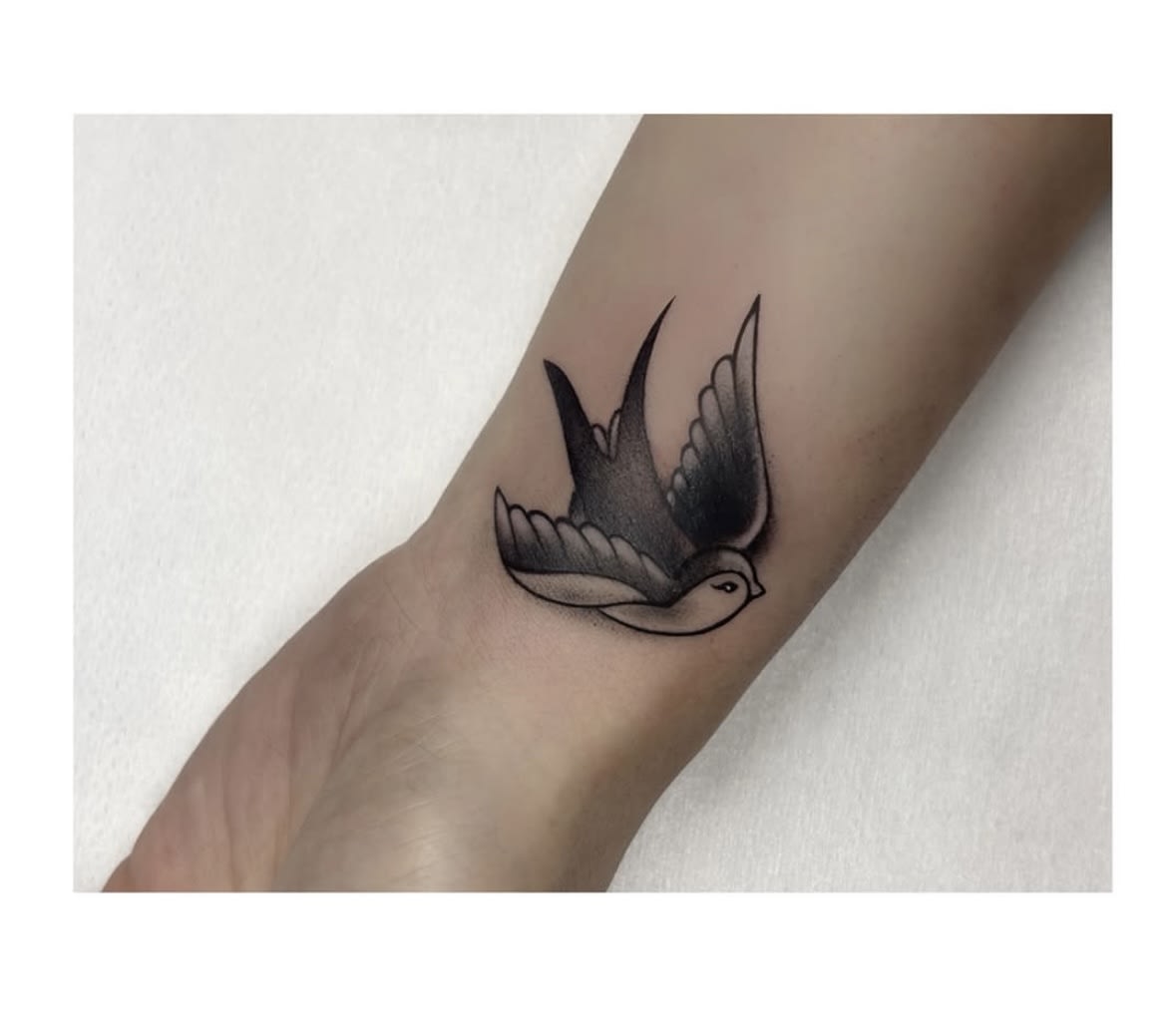
Dotwork builds the image out of thousands of dots: soft chiaroscuro, a grainy texture and a depth you cannot get with an ordinary line. See how we work with this technique.

Dotwork is a technique where the whole image — contrast, light and depth — is built from thousands of individual dots. Where the points are dense, the eye sees darkness; where they thin out, the skin stays light. From the right distance everything merges into a soft, almost three-dimensional image with a distinctive, grainy texture.
It is one of the most demanding techniques in tattooing: dots placed too densely will merge into a blot over time, too sparsely — they will not carry the depth. At our studio in Wrocław we do dotwork with iron discipline and a feel for spacing, designing pieces meant to stay sharp and legible for years.
Below we take the dot apart: how it differs from classic shading and where it came from, which motifs it tells best, how it combines with line and black, how long a session takes and what drives the quote, and how to care for the grain so it stays sharp a decade later. And whatever question is missing, you can simply ask it at a free consultation at our studio.
Dotwork is not a specific motif but a technique — the way ink goes under the skin. Instead of a continuous line and smooth shading, the artist works with individual points, playing with their density.
Where the dots sit close together, a dark area forms; where they thin out, the skin stays light. From the right distance the human eye stitches these micro-points into one coherent, soft image — hence the distinctive three-dimensionality and depth that classic shading struggles to match.

Although dotwork looks like a fresh trend in modern tattooing, stippling is older than any studio — dotted patterns have been found on mummies and in the traditional tattoos of cultures from Polynesia to South-East Asia.
Contemporary dotwork grew out of that tradition and merged it with graphic art: today you will most often see it in mandalas, geometry and illustrations with a grainy, almost paper-like texture.

A good dot tattoo is a test of craft: too dense — it turns into a blot over time, too sparse — the design loses its depth. Done properly, it has some strong arguments going for it:

Every piece starts with a conversation: the motif, placement, size and how dense a grain will suit your idea. Then every dot is placed deliberately and at the right depth — so that years later the design stays sharp and legible, not blurred.
If you have an idea for a dot tattoo, or want to combine dotwork with linework or ornament, send it through the form — the consultation is free and non-binding.

The dot has its favourite subjects. Number one are mandalas: circular, symmetrical compositions where stippled shading builds a depth no plain line can match. A well-designed mandala on the forearm, nape or sternum looks like intricate lace — and the grain gives it an almost tactile texture.
Right behind them comes geometry: polyhedra, grids, sacred-geometry-inspired compositions, gradients running from dense black to single points — an aesthetic that naturally connects with our Ornamental style page. The third current is illustration: animals, plants, skulls and portraits in a grainy, paper-like rendering, as if pressed from an engraving.
For inspiration, browse our Portfolio and ready Designs — and bring your own idea to a free consultation.
Pure dotwork is only the beginning. The most interesting pieces often live where techniques meet: a crisp fine-line outline filled with stippled shading, blackwork planes dissolving into a gradient of dots, an ornament where solid black sits next to delicate grain.
It helps to know the difference in shading techniques: classic whip shading rubs pigment into soft, smooth transitions, while stippling builds tone from separate points — slower, but with a distinctive, living texture and very predictable ageing.
Combining techniques needs a plan: grain density, outline weights and areas of bare skin must be designed together. And if you already have tattoos in other styles, dotwork can beautifully stitch them into a larger whole — stippled backgrounds are one of the most elegant ways to build a sleeve from single pieces.

Good news: most people find stippling gentler than classic shading. The needle works point by point, with micro-pauses, instead of dragging continuously over the same area — the sensation is closer to intense tapping than scratching.
The price for that gentleness is time. Building tone from thousands of separate points is simply slower: work that smooth shading would finish in two hours can take three or four in dots. Larger projects are planned with margins and breaks.
Pain depends mostly on placement: forearm, upper arm and calf are calm territory; ribs and sternum ask for more character. Come rested, fed and hydrated — the rest is on us.
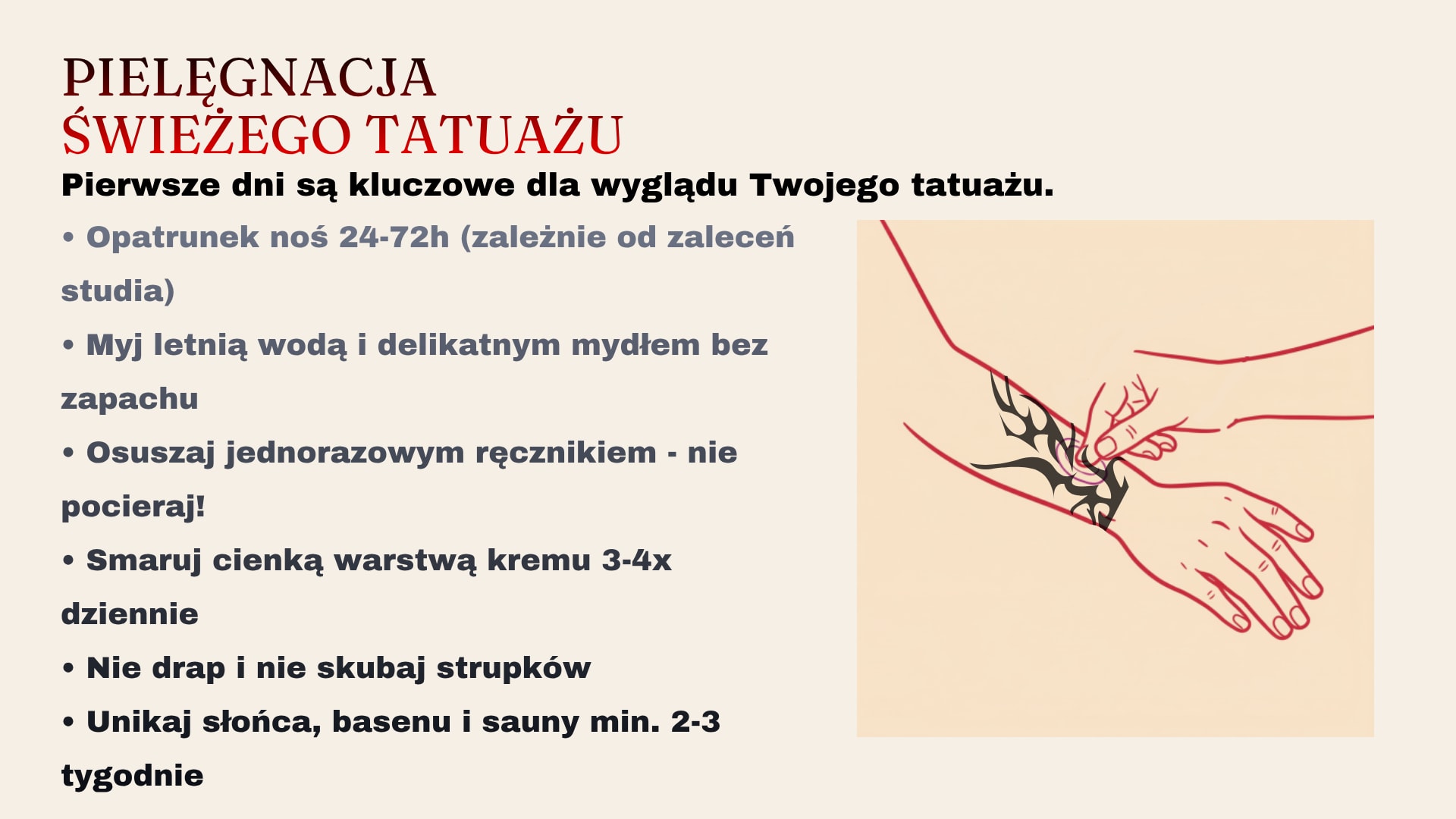
Fresh dotwork usually heals gently: point-by-point ink placement stresses the skin less than large fills. The rules stay standard — lukewarm washing, a thin layer of cream, no peeling, no soaking — and flaking tends to be milder than after smooth shading.
During healing the grain may look dimmed — pigment returns after the epidermis fully rebuilds. Only then do we assess the piece; if single points healed weaker, a short saturation visit sets everything right. That is a normal part of the process.
The dot's biggest enemy is the usual one: the sun. UV blurs the edges of the points, and with them the work's greatest strength — the sharpness of the grain. SPF 50 on healed work preserves the point-to-skin contrast that the whole effect depends on. Common questions are answered in our FAQ; price ranges in the Pricing.
Dotwork pricing has one variable no other style has at this scale: the time it takes to build tone. Every shade of grey that classic shading achieves in a few passes is composed here of hundreds of individually placed points. The same composition in dots simply takes more hours of focused work — and that shows honestly in the price.
The second factor is grain density: light, sparse stippling is faster than deep, almost-black gradients layered point by point. Size and placement matter as in any style, as does combining the dot with outlines or fills of other techniques.
The good news: dotwork rarely needs many touch-ups — well-placed points heal predictably, so the total cost over the years is often lower than the first session suggests. Rough ranges are in our Pricing; specifics after a free consultation, where we will also tell you honestly how many sessions you need.

Dotwork is most often chosen by people who value order and rhythm: lovers of geometry, symmetry, mandalas and patterns that look drawn with a compass and patience. If your moodboard is full of engravings and architectural sketches, the dot speaks your language.
It is also the natural choice for people with a quiet aesthetic who do not want colour but fear the weight of solid black: grain gives depth and presence without massiveness. Practically, dotwork works on every skin tone and at every scale — from a small wrist mandala to a full back.
The only thing it asks of its owner is a little patience during the session — building tone from points takes time. In return you get a piece few people will ever have a twin of.
Myth one: „the dots will merge into a blot anyway”. Dots merge when placed too densely or too deep — an execution error, not a property of the technique. Properly spaced points have a designed margin: they soften over the years but keep the separateness the whole effect depends on.
Myth two: „dotwork is only mandalas and geometry”. Those are the most popular subjects, but the technique is universal: pet portraits, botany, skulls, abstract point clouds, engraving-like illustration — everything can be told in grain.
Myth three: „stippling hurts more because the needle strikes so many times”. In practice it is the opposite: point work with micro-pauses feels gentler to most clients than continuous shading of the same area. It is the session that is longer, not the pain stronger. Other questions live in the section below and our FAQ.

Everything starts with the form on our site: you describe the idea, add references — other tattoos, but just as well a graphic, an engraving or a photo of architecture — and mark the placement. We match you with the artist most at home in stippling and set up a free consultation at the studio at ul. Poświęcka 17/40 in Wrocław.
A dotwork consultation has one unique element: the conversation about grain density. We show on examples how the same composition looks in light, sparse stippling versus deep, dense gradients — a decision that defines the character of the piece more than the motif itself. We also set a realistic number of sessions.
You will see the design before the session — always with geometric pieces and mandalas, because symmetry demands millimetre planning. The stencil lands first, then the structure, and only then the actual tone-building, point by point; larger pieces run in sessions three–four weeks apart.
After each session you get a second-skin dressing and aftercare instructions, and after full healing we invite you for a grain check — if single points healed weaker, a short saturation visit closes the piece. From then on your only job is sunscreen on sunny days.
Choose dotwork if you love dot texture, mandalas and graded shading without full fills — depth built point by point.
Dotwork won't replace photorealism — we build detail with dots, not photographic shading.
Dotwork builds shadow and depth from thousands of individual dots rather than smoothly blended pigment. Dot density sets the tone: the closer together, the darker. The effect is soft, graphic and very durable, because the skin heals around single points instead of large solid areas.
The stippling technique itself is usually quite bearable, but an elaborate dotwork piece means hundreds or even thousands of dots, so a session can be longer and more monotonous than regular shading. Pain depends mostly on the placement; bigger pieces can always be split into stages.
Stippling is time-consuming — every point is placed individually. A smaller ornament is usually one session; large mandalas, sleeves and geometric compositions are split across several visits. We'll estimate the exact time at a consultation after seeing the design.
Well-spaced dots age very gracefully — that's why dotwork is so valued for ornaments and geometry. The key is proper spacing between points; dots that are too small and dense can merge over the years, so we scale the design to stay readable for decades. Protect the black from the sun with SPF.
The price depends on size, dot density and the design's complexity — dotwork is labour-intensive, so elaborate compositions are priced individually after we see the project. Indicative ranges are in our price list; you'll get an exact quote at a free consultation.
Fill in the booking form and describe your idea, attaching inspirations. We'll get back to you, match you with an artist specialising in dotwork and set up a free, no-obligation consultation at our studio at ul. Poświęcka 17/40 in Wrocław.
Yes, though we do it sparingly and deliberately: a single red accent or a delicate backdrop can beautifully lift the black grain. Fully coloured dotwork is rare — stippling works best on the contrast of black and skin, and we treat colour as a spice, not the base.
Done well and protected from the sun, dotwork is among the most stable-ageing techniques. Points set at the right depth and spacing soften over the years but keep their separation and the design's clarity for decades. A touch-up after many years is a short single visit.
Yes — and that's by far the best approach. We always design mandalas and geometry for a specific body part: symmetry has to work with your anatomy, otherwise the pattern floats. At the consultation we'll look at the spot, measure it and prepare a design tailored to the millimetre.

All-seeing eye in star
Emilia Adamska • Emaliart • Tattoo Artist
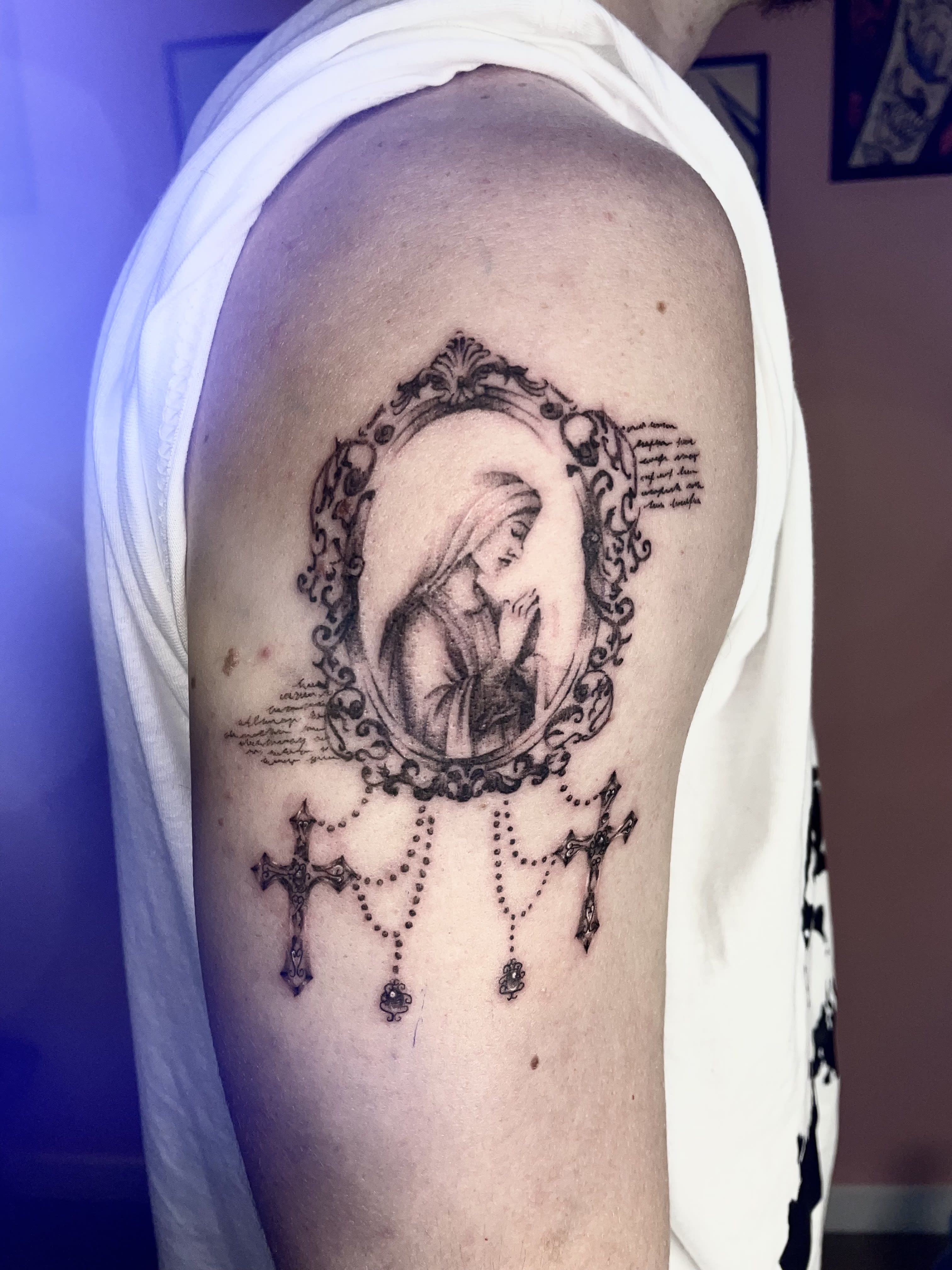
Madonna in a Baroque Frame
Dominika Doroszkiewicz • Technokracja • Tattoo Artist
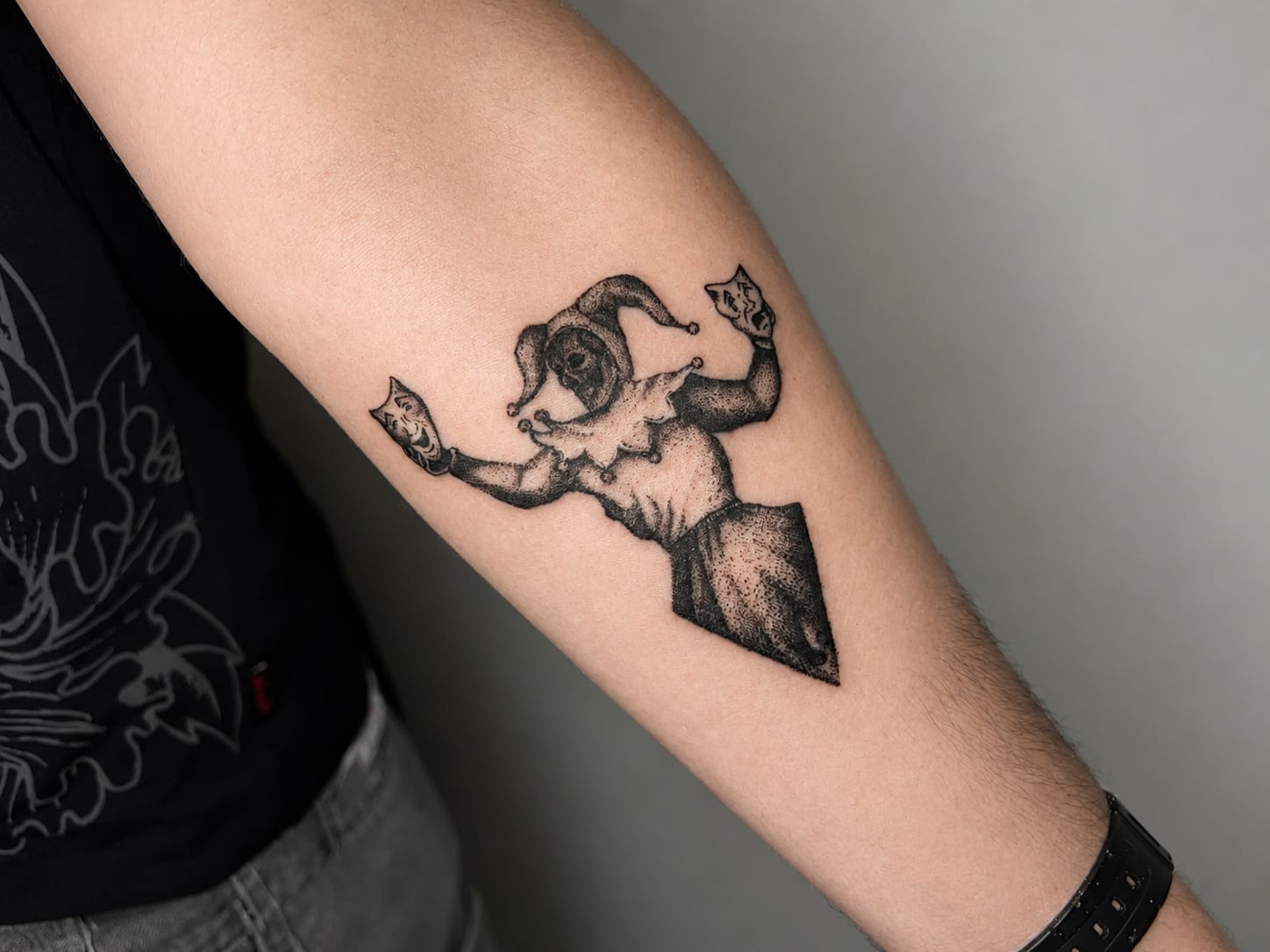
Jester with Cards
Justyna Góra • Tattoo Artist • Permanent Makeup
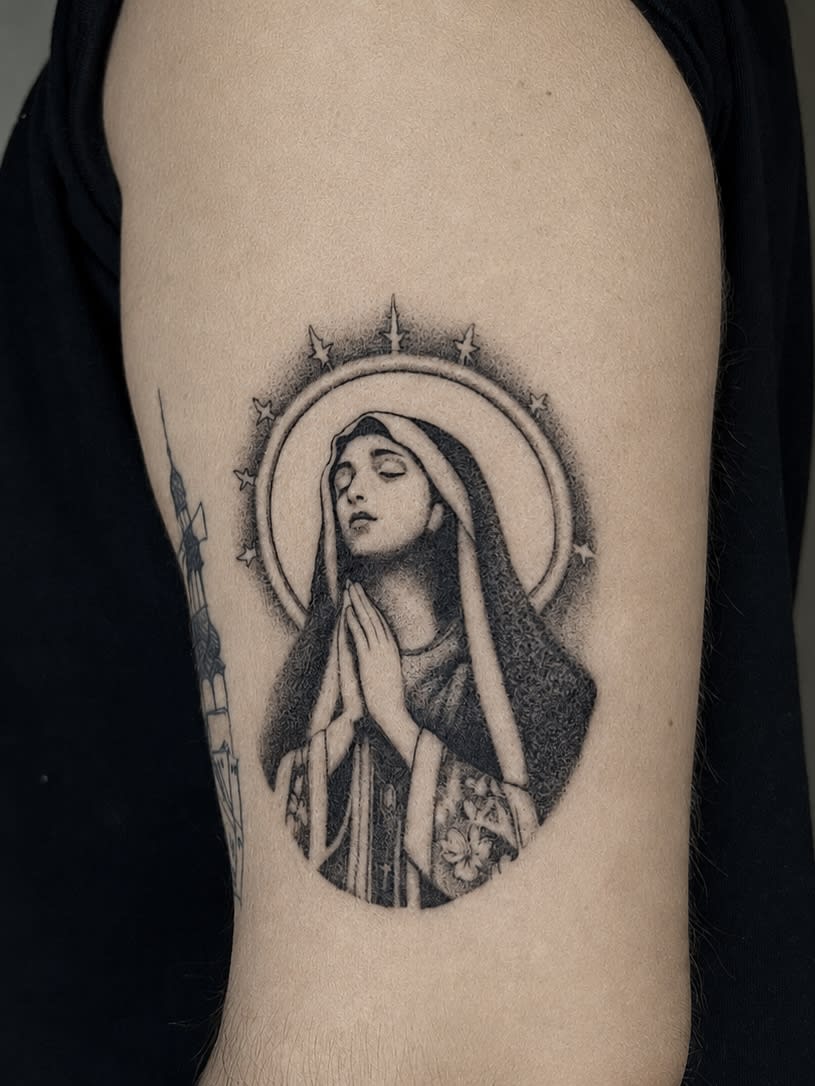
Madonna in a Starry Halo
Justyna Góra • Tattoo Artist • Permanent Makeup
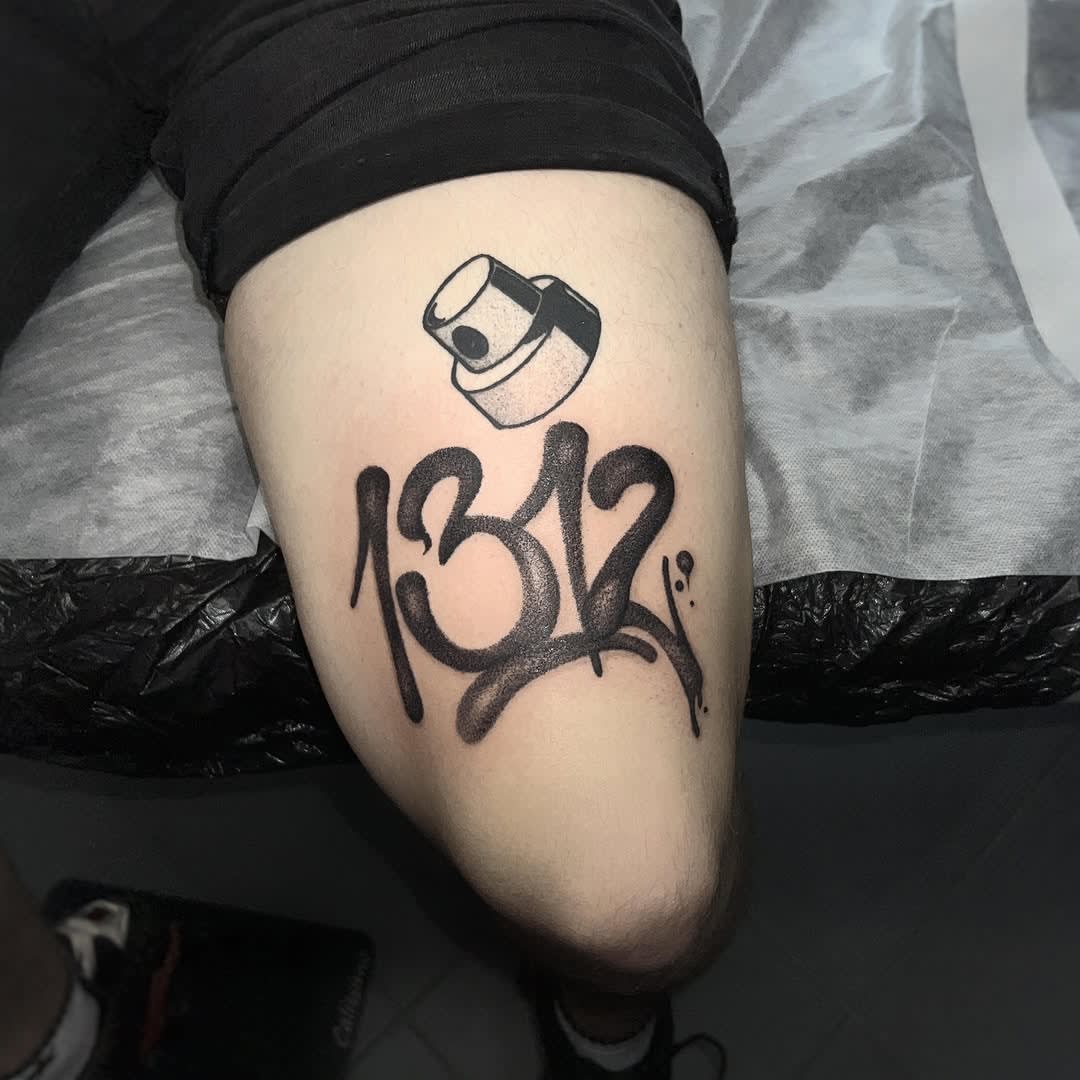
1312 Graffiti
Justyna Góra • Tattoo Artist • Permanent Makeup
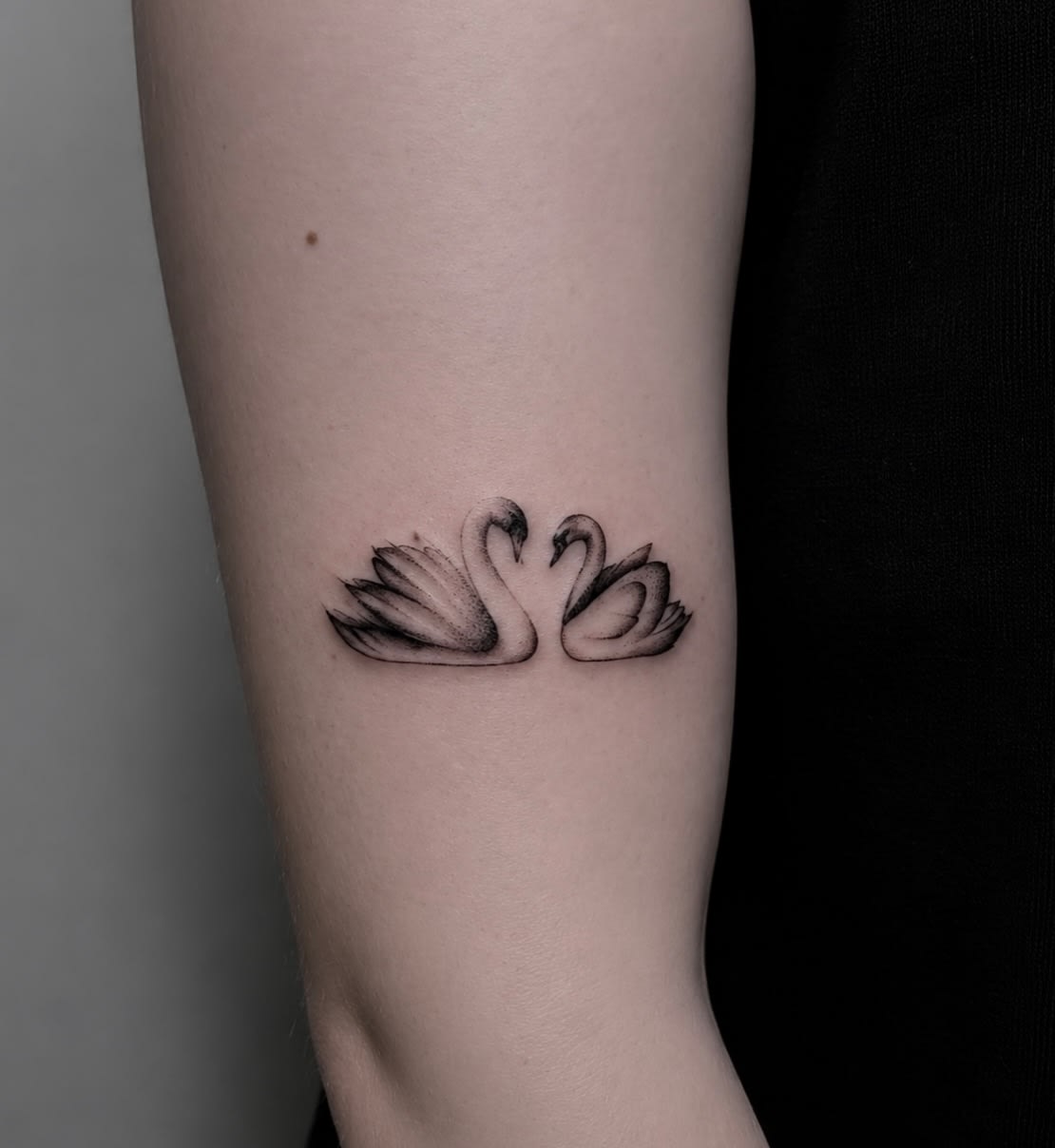
Mirrored Swans
Justyna Góra • Tattoo Artist • Permanent Makeup
Indicative ranges — every piece is quoted individually after a free consultation.
Minimalist tattoo
300 PLN
~75 €
A single small motif in a thin line, with no shading or fill — one symbol, a date or a short word. The shortest session on our list.
Get your quoteSmall design
from 400 PLN
~100 €
Small motifs, lettering and single elements with detail or light shading — usually one short session.
Get your quoteMedium project
500–1000 PLN
~125–250 €
Hand-sized compositions: fine line, ornaments, lettering with graphics, smaller shaded motifs.
Get your quoteLarge project
1000–2000 PLN
~250–500 €
Detailed designs on the forearm, calf or back — more detail, often longer or multi-stage work.
Get your quoteSleeves and large pieces
individual quote
Sleeves, large compositions and multi-session projects are billed per session across several appointments.
Get your quoteThe ranges are indicative. The final, binding price is set after the consultation and once the design is approved.
Our artists’ portfolio is the best test of whether a style fits your skin and idea. Filter by style, body placement or tags.
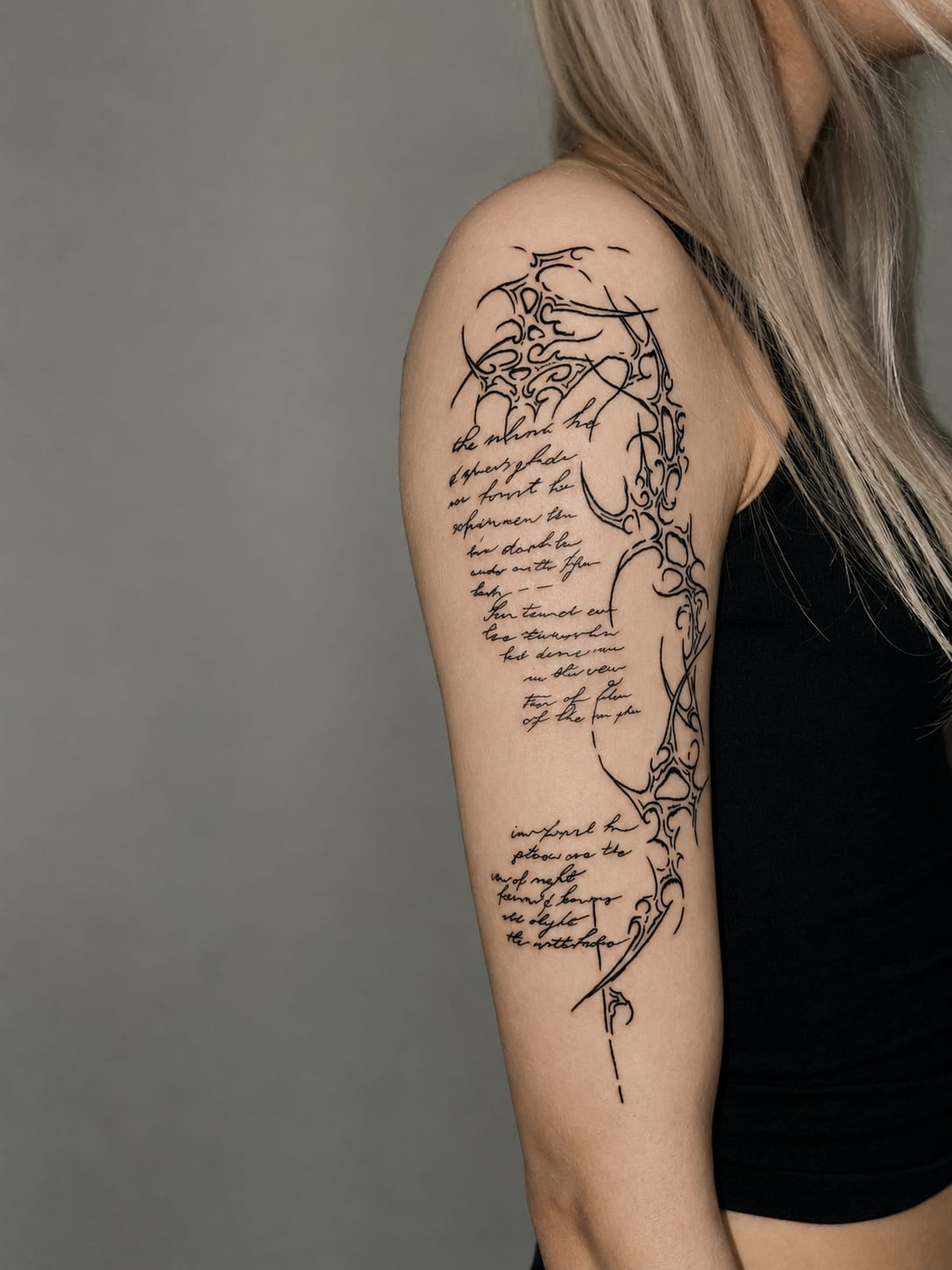
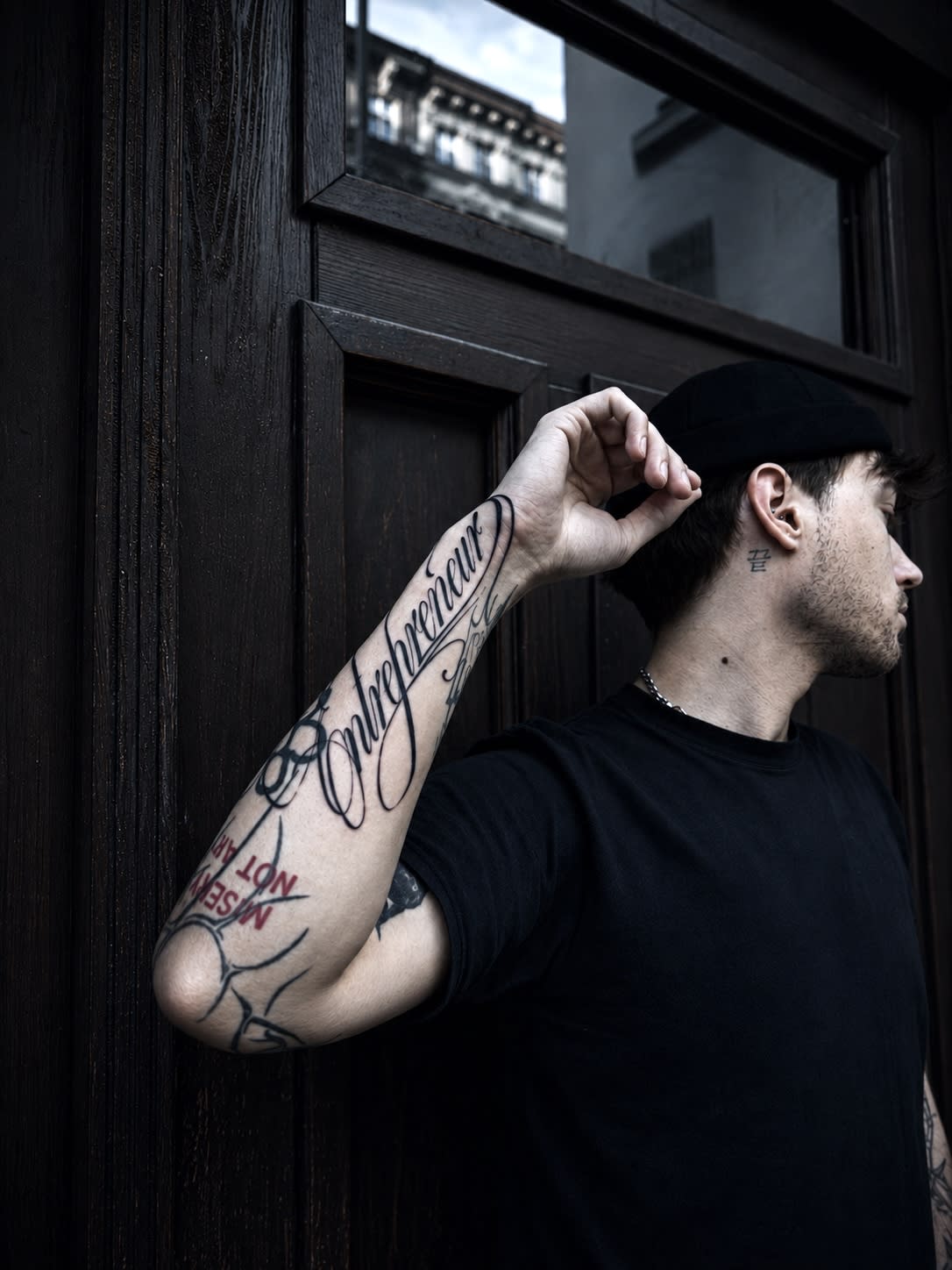
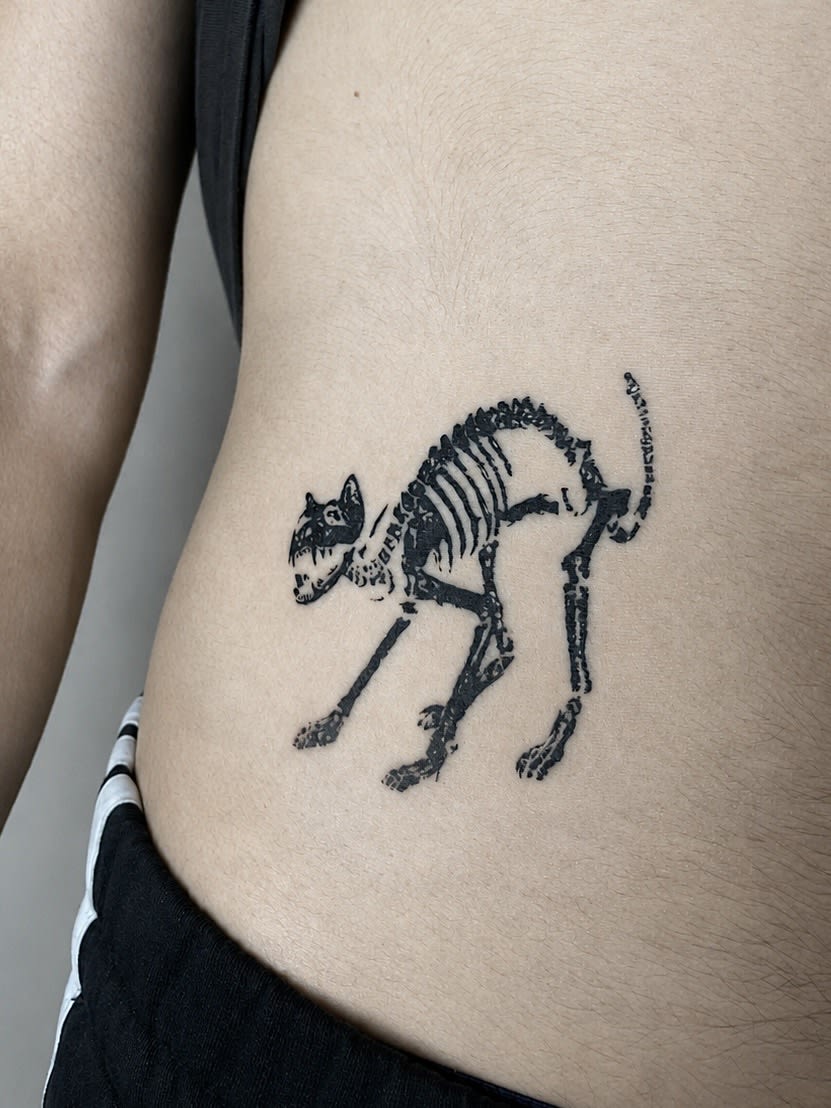

Each artist has their own specialities — see profiles and portfolios, or describe your idea in the form and we’ll match the right person.
The techniques in this gallery have their own pages — motifs, healing, prices and healed examples.
We cover old or unloved tattoos with a new design. See before-and-after transformations straight from our studio.
Practical guides by our artists — pain, aftercare and preparation. No myths, no scare stories.

Original projects waiting for an owner — each with a price and a suggested size.
The questions that matter most
Describe it in the form — we’ll suggest a style, an artist and the nearest date. The consultation and quote are free.