


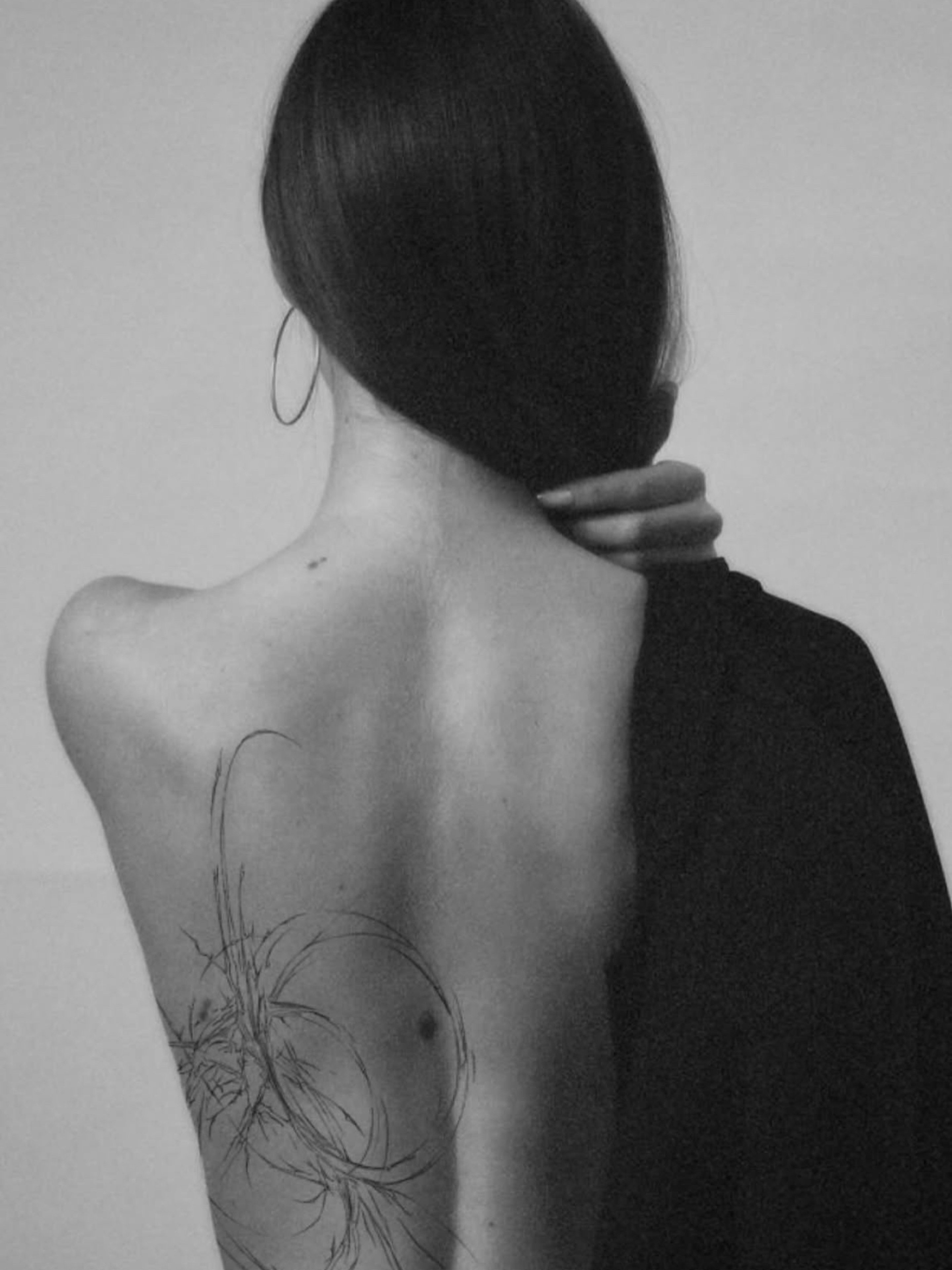


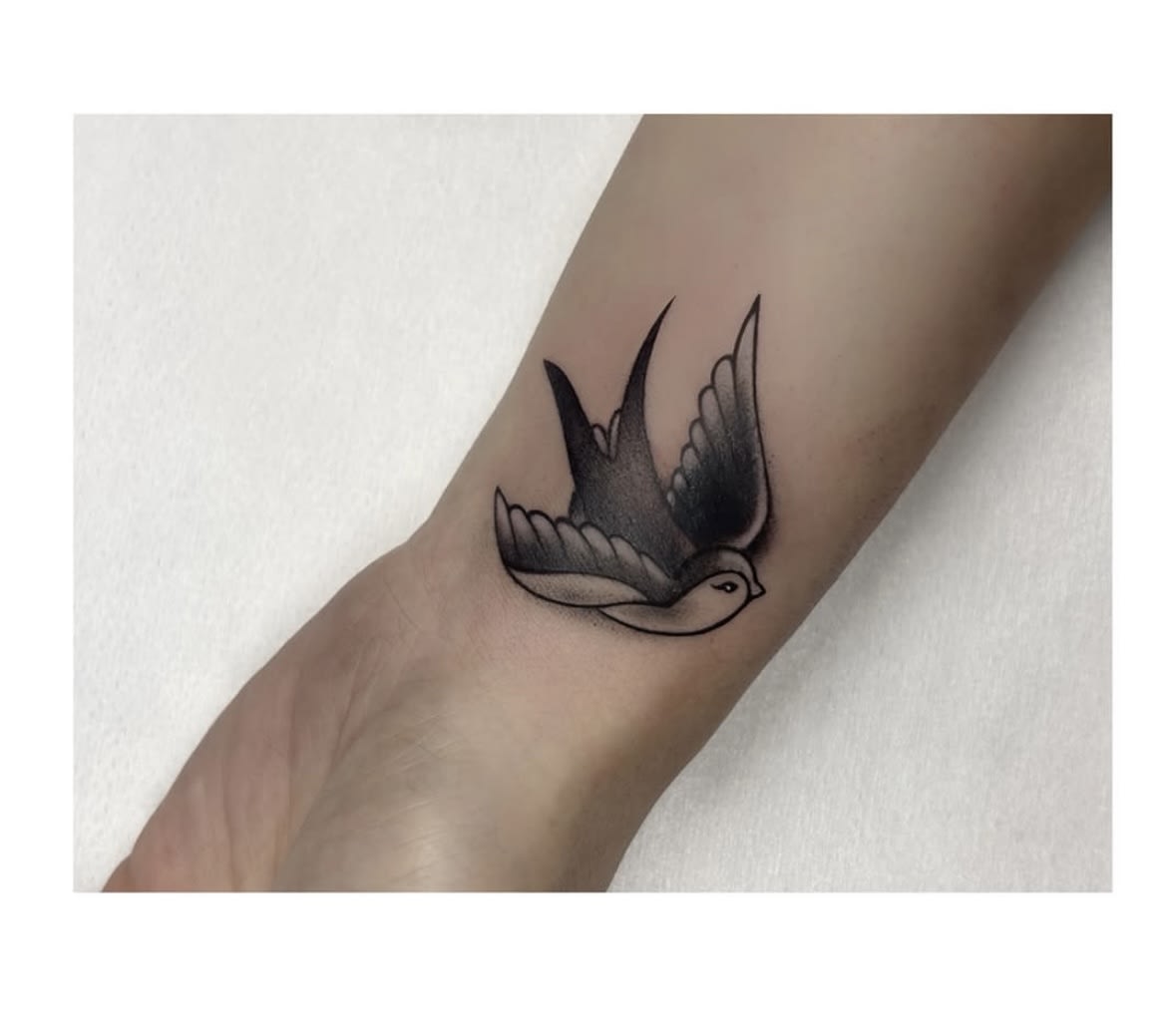
Cover-up — a second life for your tattoo
We cover old or unloved tattoos with a new design. See before-and-after transformations straight from our studio.
Tattoo styles
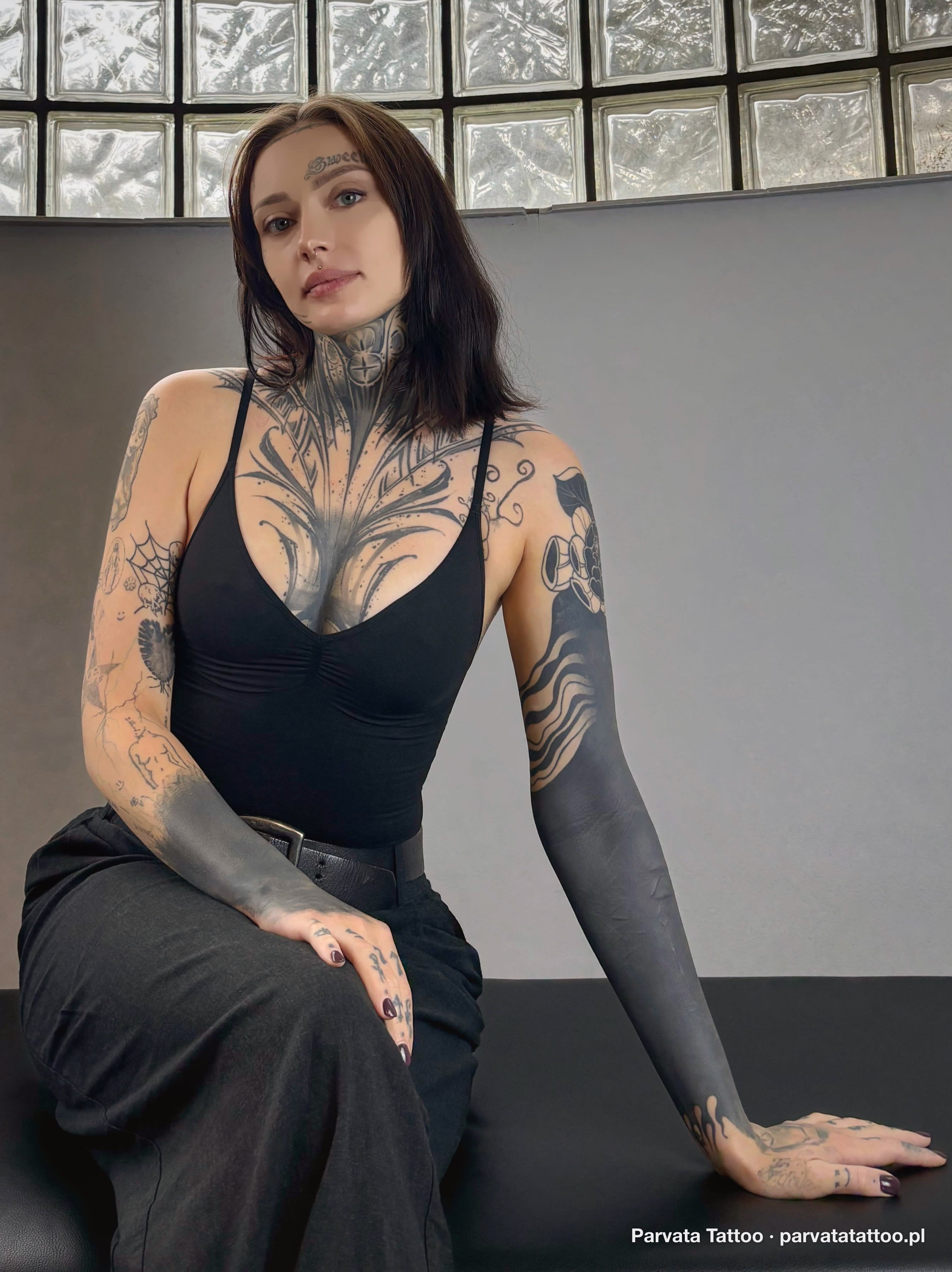
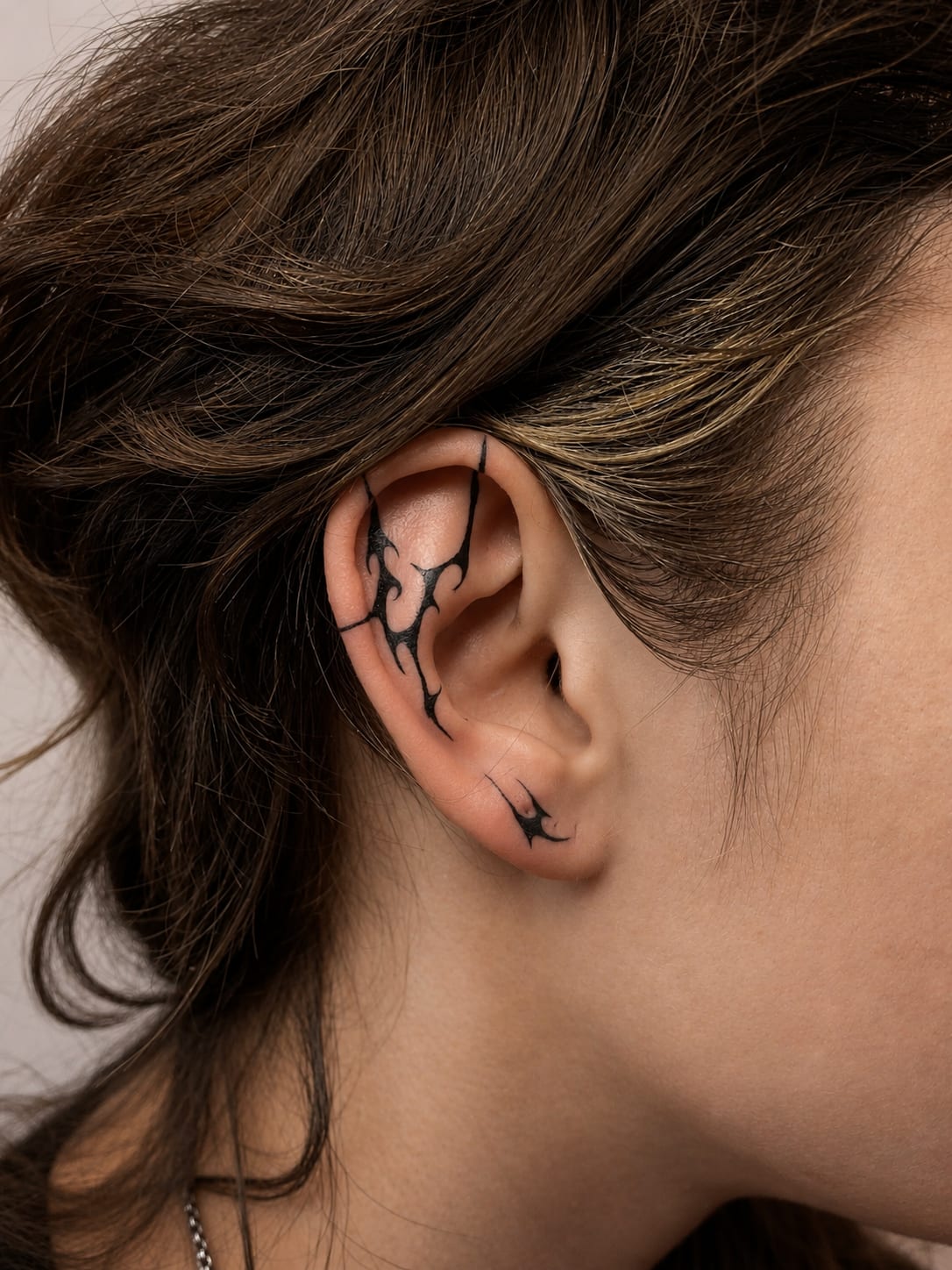
Ornamental tattoos combine precise geometry, mandalas and motifs inspired by decorative traditions from around the world. We design ornaments fitted to the body's anatomy.

An ornamental tattoo is the art of adorning the body in its purest form. Instead of depicting a specific object — a face, an animal, an item — an ornament works through rhythm: repeating patterns, symmetry, geometry and lines that flow together with muscles and bones. The effect resembles jewellery or lace designed specifically for your body.
It's a style with roots reaching back hundreds of years: it draws on mandalas, Indian mehndi decoration, Polynesian, Berber and Slavic ornamentation. At our studio in Wrocław, ornamental is one of the most frequently chosen aesthetics — it looks great both as a small piece on the forearm and as an elaborate composition on the back or leg. Below you'll find a complete guide to this style.
Further down this page you will find a complete guide to ornament: where it draws inspiration from and which motifs are worn most often, which placements serve geometry best, how the session, pricing and aftercare work — and answers to the questions we hear most often. All so you arrive at the consultation with a concrete picture in mind.
An ornament doesn't tell a scene — it builds harmony. Its foundations are symmetry, repetition and rhythm: elements such as arcs, dots, lines and floral forms arrange into patterns that emphasise the body's natural shape instead of competing with it. That's why a good ornament is designed directly onto the figure, often drawn on the skin before the session.
Technically, the style combines confident, clean linework with dotwork shading and solid black fills as in blackwork. This makes ornaments very durable — black pigment and a strong pattern structure age better than any other technique.
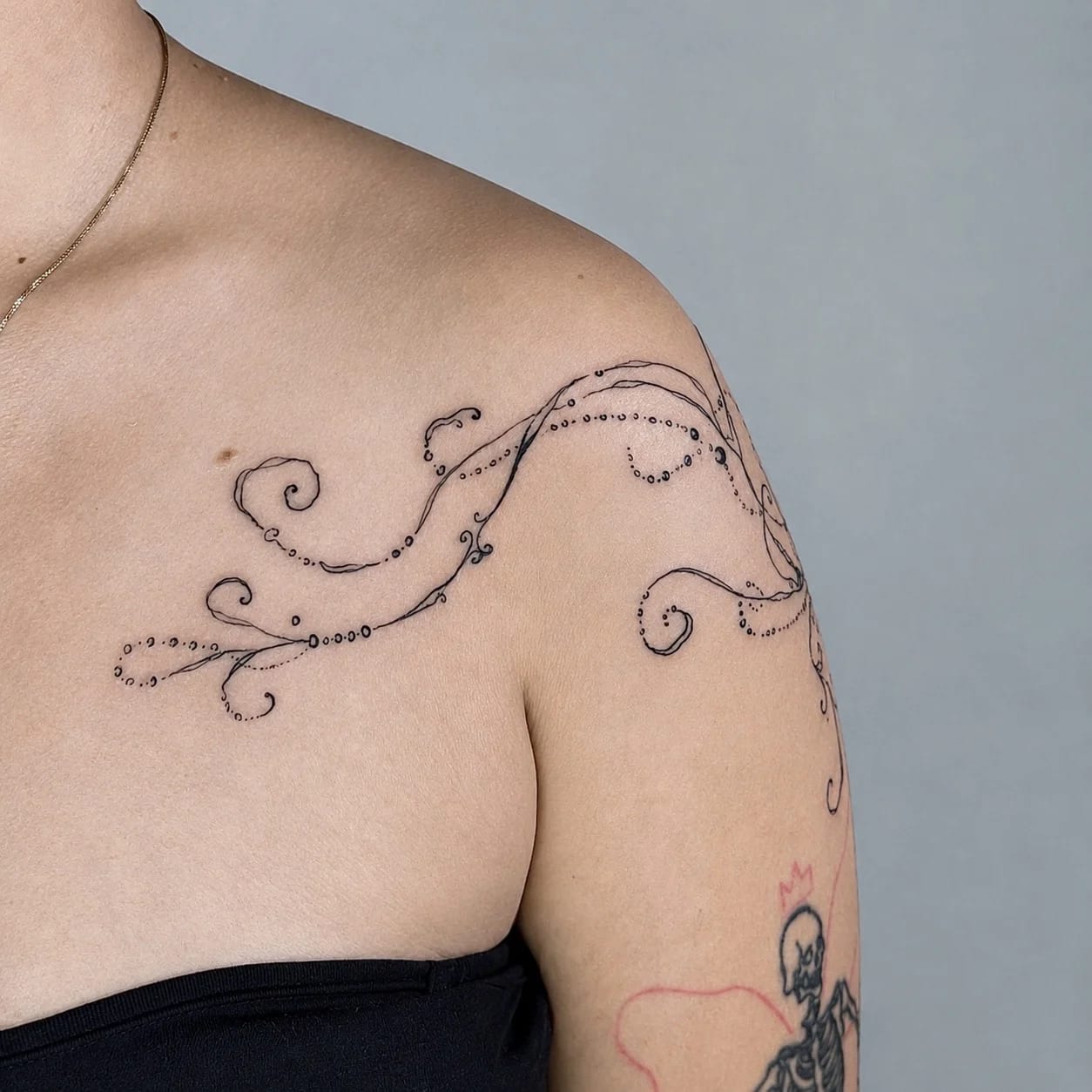
The power of an ornament lies in the decorative traditions it draws on. Each one brings a different character:

The biggest difference between an ornament and other styles: here the design has to arise from the body. The pattern runs along the lines of the muscles, wraps around the forearm or calf, radiates across the shoulder blade or sternum. That's why a sketch on paper is only the beginning — the final form is often created freehand, drawn with a marker directly on the skin.
The most frequently chosen placements are the forearm and arm (ornamental bands and half-sleeves), the sternum and décolletage area, the back, the top of the hand, the calf and the thigh. Ornaments scale beautifully both ways: a small symmetrical motif works just as well as a full-back composition.

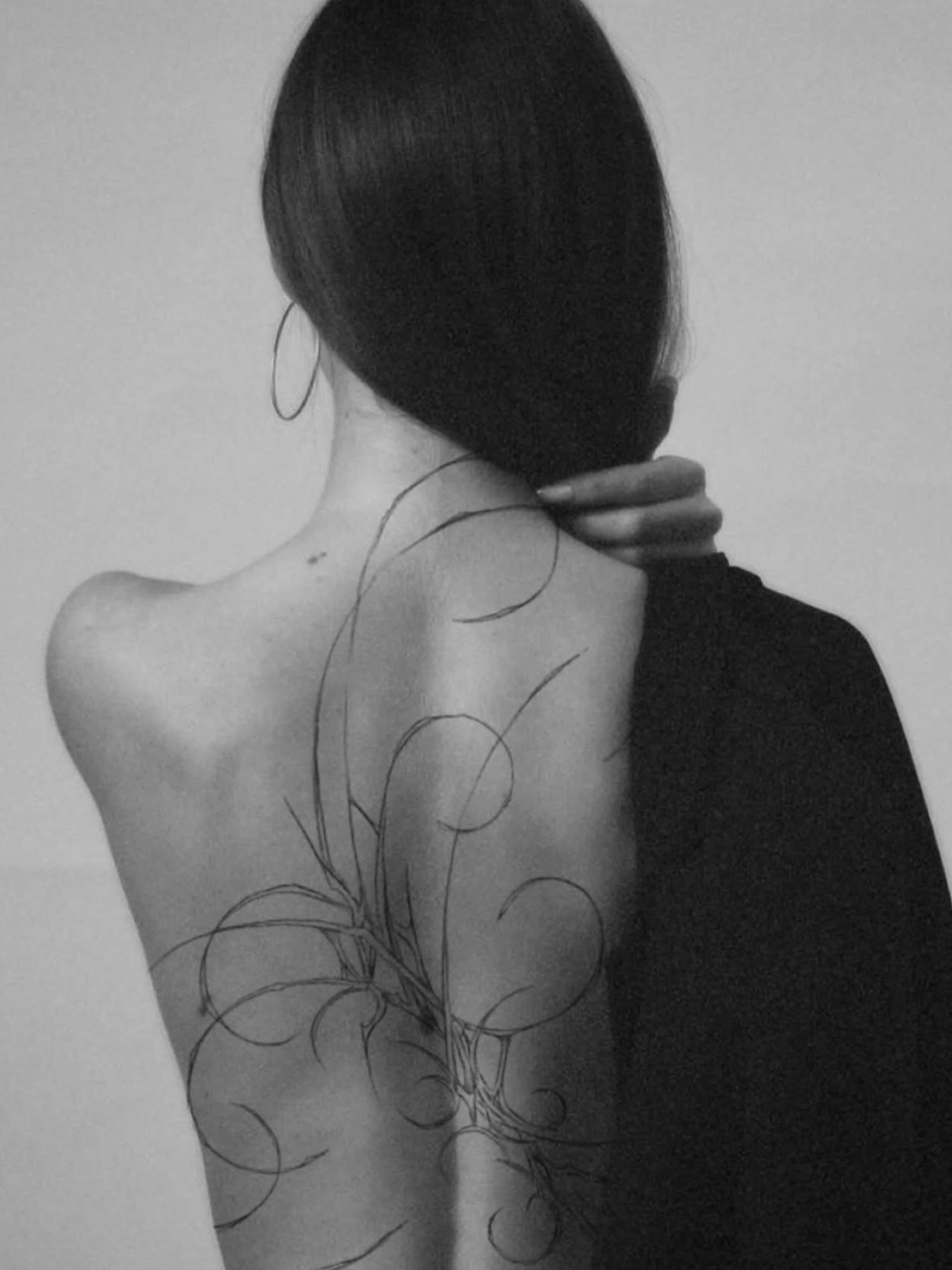
Lacy ornaments — thin lines, fine dotwork, plenty of light between elements — give a jewellery-like effect, often chosen for the sternum, nape or forearms. They require precision and look great up close.
Graphic ornaments — thick bands of black, negatives cut out of the fill, strong contrast — reference blackwork and tribal. Legible from a distance, very durable, gladly chosen by people planning larger pieces. Both approaches can be combined in a single composition, building depth.

At the free consultation in Wrocław we look at your inspirations, discuss placement and scale, and the artist proposes a direction. For larger pieces, the design is sketched on a photo of your figure or directly on the body before the session — this way you can be sure the pattern will flow with your anatomy.
The session runs in stages: first the construction lines and main outlines, then the fills and dotwork. Symmetrical, elaborate compositions are split across several appointments. The quote is individual and depends on the scale and density of the pattern — you'll learn it after the consultation, with no obligation.

An ornament is based on black, so it heals and ages predictably. The key is standard, diligent aftercare: a thin layer of ointment during healing, no soaking or sun on fresh work, and after healing regular moisturising and SPF in summer — you'll find the full guide in our article on fresh tattoo aftercare.
Precise symmetry forgives less than free-flowing styles: that's why choosing an artist who does ornamentation daily matters so much. Browse the work section below and our portfolio to see healed ornaments by our team.
The queen of ornament remains the mandala: a circular, hypnotically symmetrical composition equally at home on the sternum, nape, elbow or shoulder — jewellery grown into the skin, often enriched with dotwork shading (more on our Dotwork page).
The second pillar is bands: ornamental rings around the arm, forearm, thigh or calf — from delicate lace-like patterns to massive, almost blackwork rings; a closed, self-sufficient form that is easy to wear and easy to extend later. The third current is flowing compositions: ornaments along the spine, fans under the bust, garters on the thigh — pieces designed entirely for one specific body.
A separate family are henna-spirit hand and foot ornaments with mehndi roots: beautiful, but demanding an honest talk about durability, as hand skin wears pigment faster. All these forms are in our Portfolio — and if none fits perfectly, all the better: the most interesting ornaments are built from scratch.
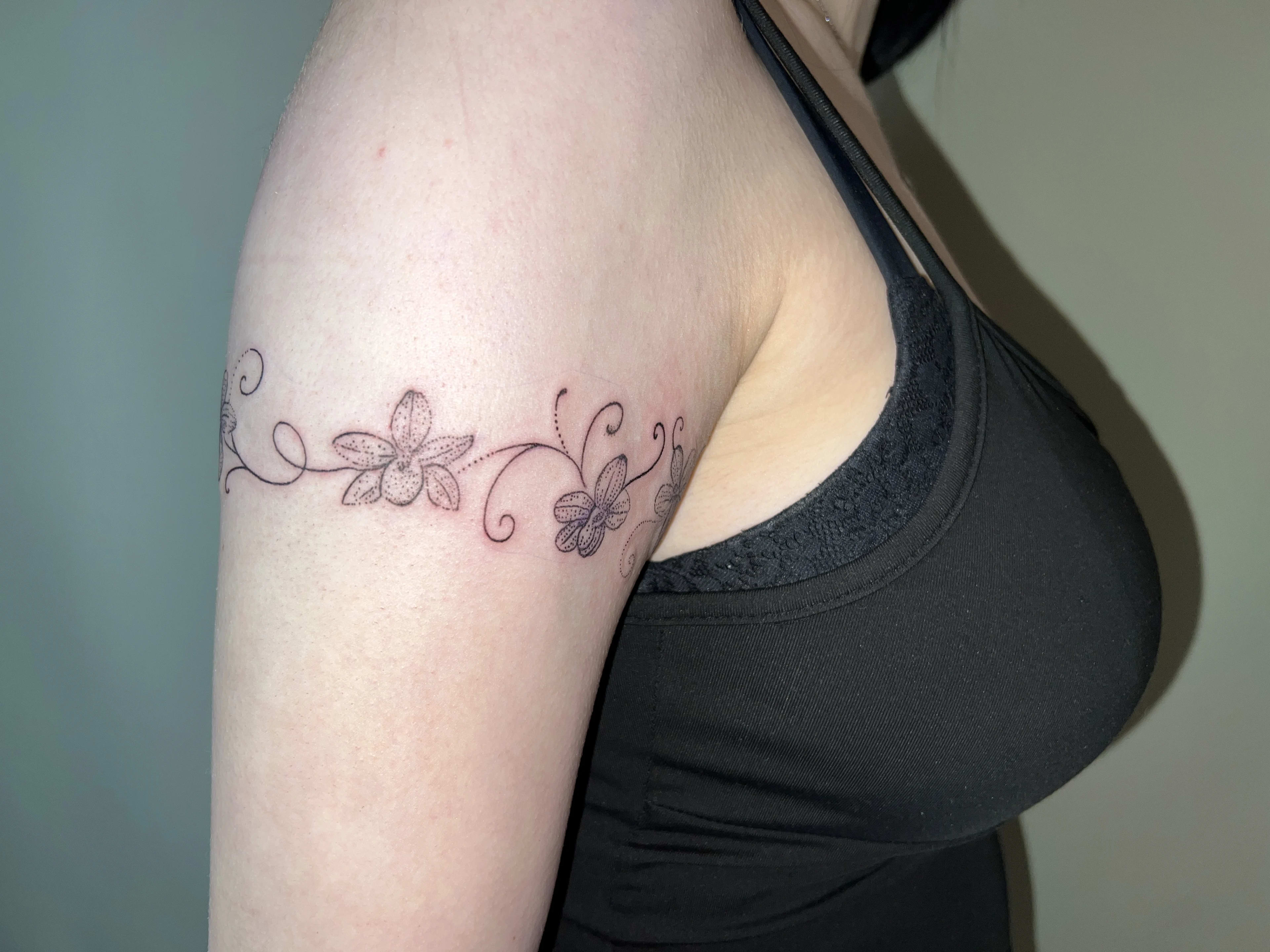
Ornament is an architectural style: it does not sit on the body so much as collaborate with it, so placement is half the design. The forearm and upper arm are classics; the sternum loves fan-like symmetrical forms; the nape and upper back are a stage for mandalas descending along the spine.
The thigh deserves its own note: an ornamental garter or an elaborate outer-thigh composition is one of the most requested feminine pieces — discreet daily, spectacular when meant to be seen. Places requiring thought: the elbow and knee (geometry on a moving joint needs a large margin) and hands and fingers, where intricate patterns wear fastest.
Ornament's symmetry demands one thing absolutely: a stencil fitting on a live, standing body. A pattern perfect on paper can drift two degrees on skin — and those two degrees are always corrected before the first pass.

Ornament is technically varied, so sensations vary: delicate lace-like patterns feel close to fine line, dense fills approach blackwork — more intense, still bearable. The biggest variable is placement: an armband is calm territory; the sternum, ribs and spine — areas ornament loves compositionally — can be more sensitive.
Time depends on pattern density: a simple band or a medium mandala is one session of two to four hours; elaborate back or thigh compositions are split into two–three visits. Ornament's specialty is the long on-site preparation: careful measuring, levelling and stencil fitting can take a good half hour before the machine even starts — an investment in symmetry that cannot be corrected later.
Come rested, fed and in loose clothing; the rest, from a sterile station to the dressing, is on us.
The first story is aesthetic minds of order: people who love symmetry, rhythm and architecture, and seek form rather than a picture. Ornament is a style that suffices unto itself. The second story is seekers of meaning: the mandala as harmony, geometry as the order of the world, mehndi- or Slavic-rooted motifs as a link to tradition — ornament carries as much symbolism as its owner wants.
The third story is bodies in motion: dancers, athletes, people who want the tattoo to work with the muscles and emphasise the body's line instead of covering it. No style does it better.
The common denominator is patience for the design stage — ornament forgives the least inaccuracy of all styles. If any story sounds familiar, send your idea through the form; the consultation is free.

Geometry has no gender, but it has registers. Feminine compositions more often reach for lace: thin lines, pearls, fans and arcs along natural curves — under the bust, on the thigh, along the spine; the effect resembles haute-couture jewellery. Masculine pieces more often build mass and rhythm: dense bands, geometric arm segments, ornament fused with solid black in a blackwork or neotribal spirit.
The most interesting things happen in between: a delicate geometric mesh on a male forearm, a strong, contrasty mandala on a female back. We treat these registers as a palette, not a rulebook.
At the consultation we usually start with one question: light or heavy? The answer guides every next decision — line weight, fill density, scale — and it, not gender, defines the character of the piece.
Myth one: „ornament is just decoration, no meaning”. It can be pure aesthetics — a fully legitimate route — but historically decorative patterns carried protection, status and belonging, and the mandala remains a symbol of harmony. How much meaning you close in your geometry is entirely up to you.
Myth two: „anyone can do a symmetrical pattern, it is just a ruler and compass”. The opposite: symmetry on a living, rounded, moving body is one of the hardest tasks in tattooing. On paper the pattern is always perfect — on skin it takes measurements, fittings and corrections invisible in the finished piece precisely because they were made.
Myth three: „dense ornament will smudge with age”. What smudges are patterns designed without a margin. A well-designed ornament anticipates the natural softening of lines and stays readable for decades.
Choose ornamental when you want a pattern designed for your anatomy — a mandala on the shoulder, a weave on the forearm, a garter on the thigh. Geometry should flow with the body, not fight it.
Symmetry on a living body has limits — muscles and skin aren't a compass. We design for your silhouette, not for a ruler, and say plainly where perfect geometry won't hold.
It can — mandalas are tied to harmony, Polynesian motifs to strength and protection, and sacred geometry to the order of nature. An ornament can just as well be purely aesthetic: you decide how much symbolism you want to hold in it.
Yes, and it is done often: an ornamental background under a botanical motif, dotwork shading, fine-line inserts, or a mix with blackwork. At the consultation we will advise what will play with your idea.
The standard: get a good sleep, eat before the visit, hydrate your skin in the preceding days. For pieces designed on the body it helps to dress so you can easily expose the whole area — we draw the pattern wider than the piece itself.
It is one of the most durable styles. Black pigment and a clear pattern structure keep their legibility for years. Standard aftercare and sun protection are enough, with a possible line refresh after a long time.
The price depends on the size, pattern density and number of sessions — from small motifs to full-back compositions. We give a specific quote after a free consultation where we discuss the design.
Often yes — dense patterns and black fills work well in cover-ups. See our Cover Up page and send a photo of the old work, and we will assess the options.
Yes — especially as a delicate band or a small mandala. The session is predictable, the pattern timeless, and the composition easy to extend later. Just reserve a moment for the design stage: symmetry needs fittings.
Yes, provided the detail is simplified: a small mandala needs fewer rings, and a fine band needs breathing room between elements. We will design the pattern to be readable at your scale rather than a squeezed version of a large one.
Send your idea through the form — with references or just a description of the placement and mood (light or contrasty). At a free consultation at the studio we will measure the spot, show examples and prepare a design for your body.
Yes — it is the natural path of this style. A mandala can start from the centre and grow ring by ring, a band can gain parallel strips, and a back composition can be built over seasons. What matters is mentioning the plans at the start: we will then design the first element with geometry open to extension rather than a closed form nothing fits onto.
Usually yes — geometric forms are great at organising scattered motifs, and ornamental transitions can join older pieces into a coherent whole. Bring photos to the consultation and we will propose a pattern that binds the collection instead of competing with it.
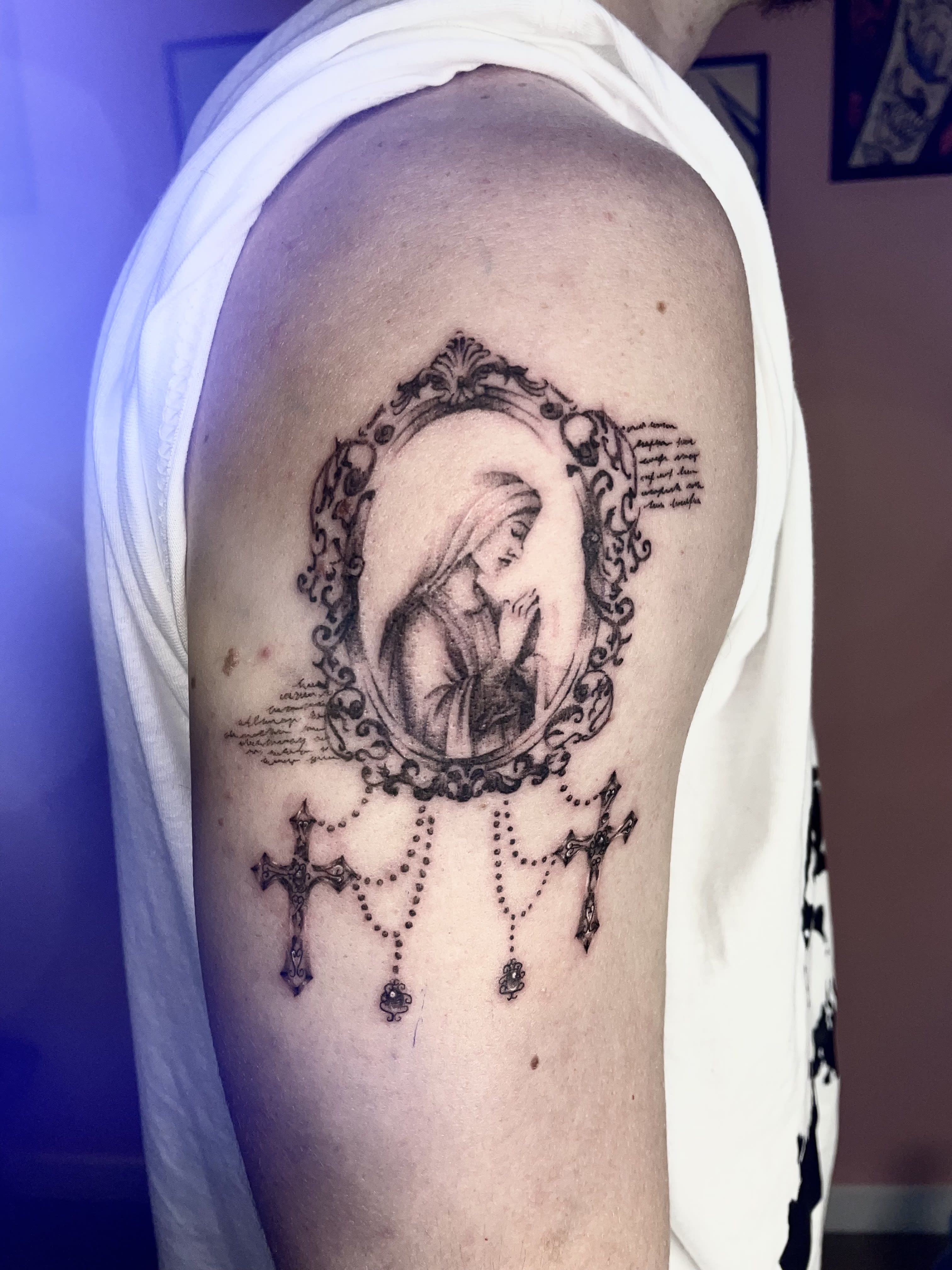
Madonna in a Baroque Frame
Dominika Doroszkiewicz • Technokracja • Tattoo Artist

Gothic Ornaments & Cathedral
Justyna Góra • Tattoo Artist • Permanent Makeup
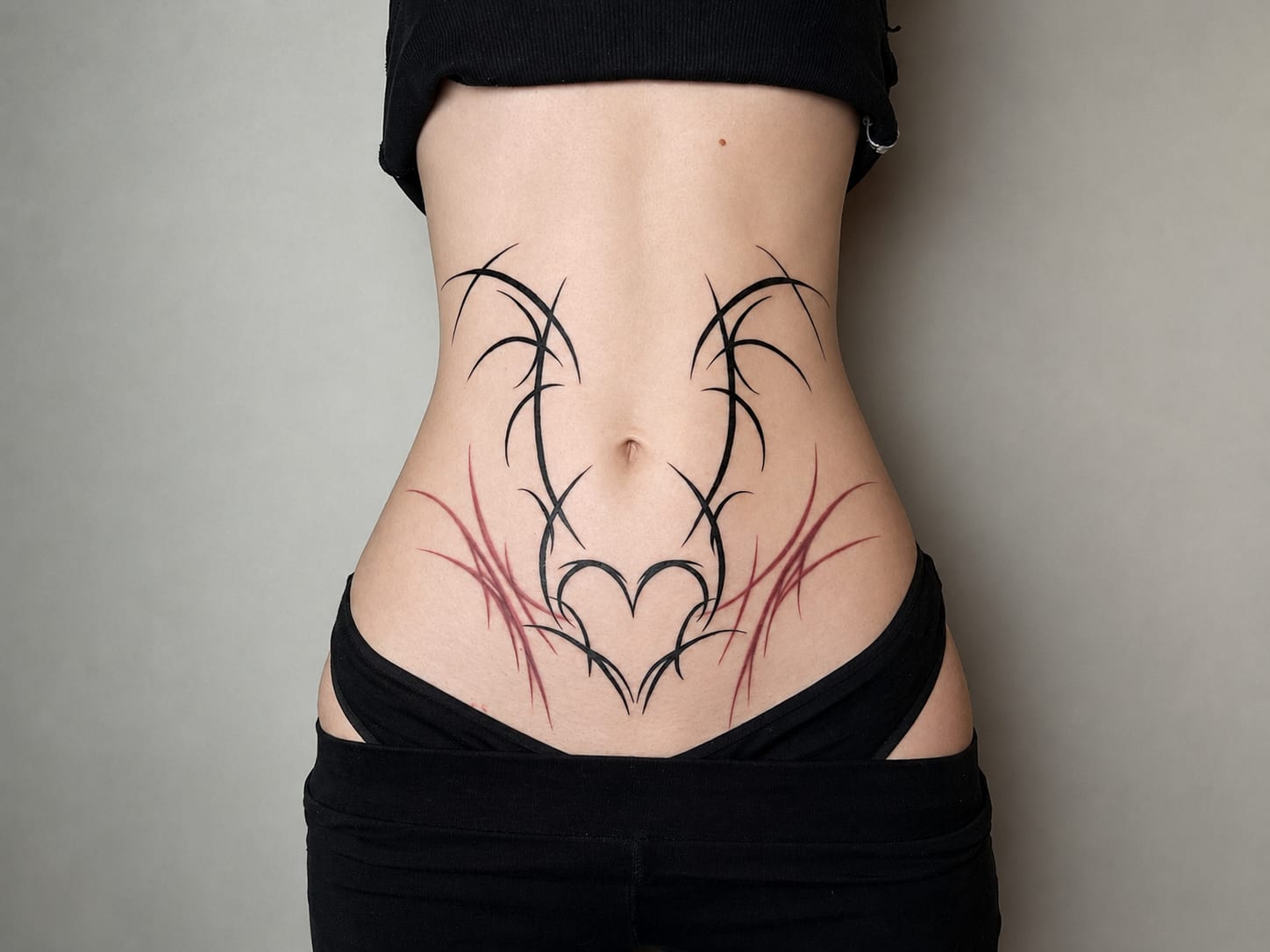
Thorned Belly Heart
Justyna Góra • Tattoo Artist • Permanent Makeup
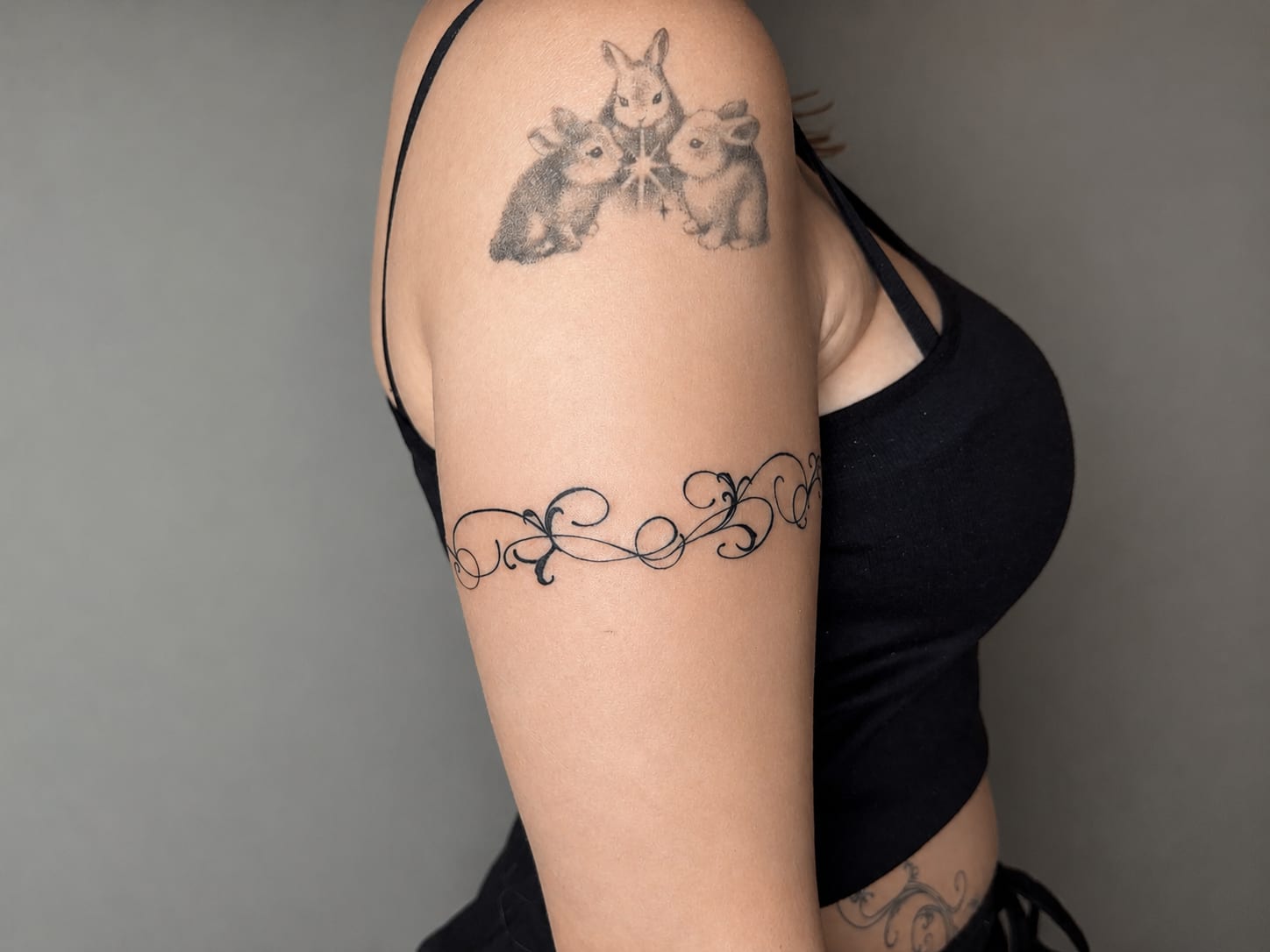
Bunnies & Flourish Band
Justyna Góra • Tattoo Artist • Permanent Makeup

Dotwork Roses for the Hand
Justyna Góra • Tattoo Artist • Permanent Makeup
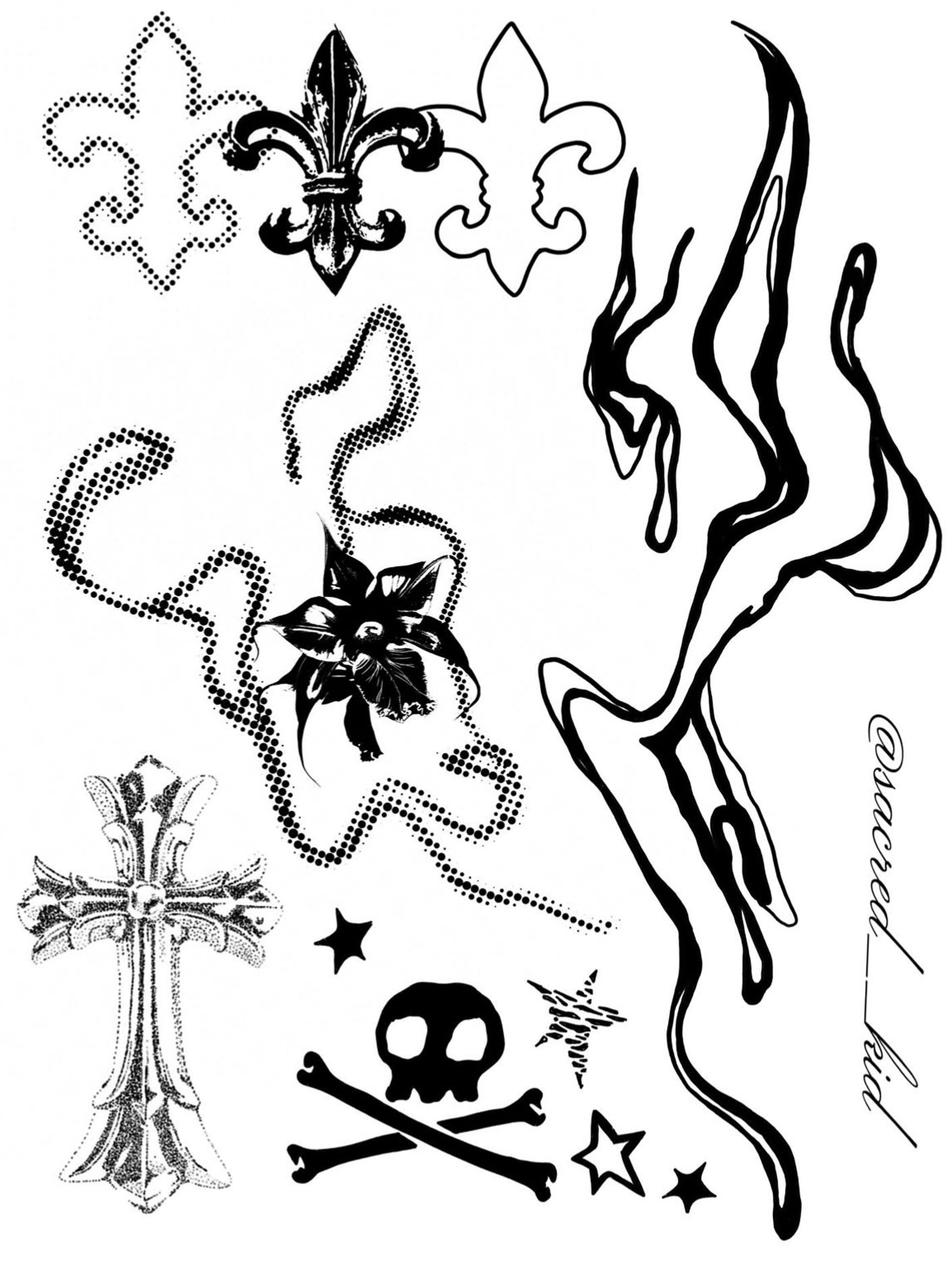
Gothic symbol collage
Mira Paul • Sacred__kid • Tattoo Artist
Indicative ranges — every piece is quoted individually after a free consultation.
Minimalist tattoo
300 PLN
~75 €
A single small motif in a thin line, with no shading or fill — one symbol, a date or a short word. The shortest session on our list.
Get your quoteSmall design
from 400 PLN
~100 €
Small motifs, lettering and single elements with detail or light shading — usually one short session.
Get your quoteMedium project
500–1000 PLN
~125–250 €
Hand-sized compositions: fine line, ornaments, lettering with graphics, smaller shaded motifs.
Get your quoteLarge project
1000–2000 PLN
~250–500 €
Detailed designs on the forearm, calf or back — more detail, often longer or multi-stage work.
Get your quoteSleeves and large pieces
individual quote
Sleeves, large compositions and multi-session projects are billed per session across several appointments.
Get your quoteThe ranges are indicative. The final, binding price is set after the consultation and once the design is approved.
Our artists’ portfolio is the best test of whether a style fits your skin and idea. Filter by style, body placement or tags.

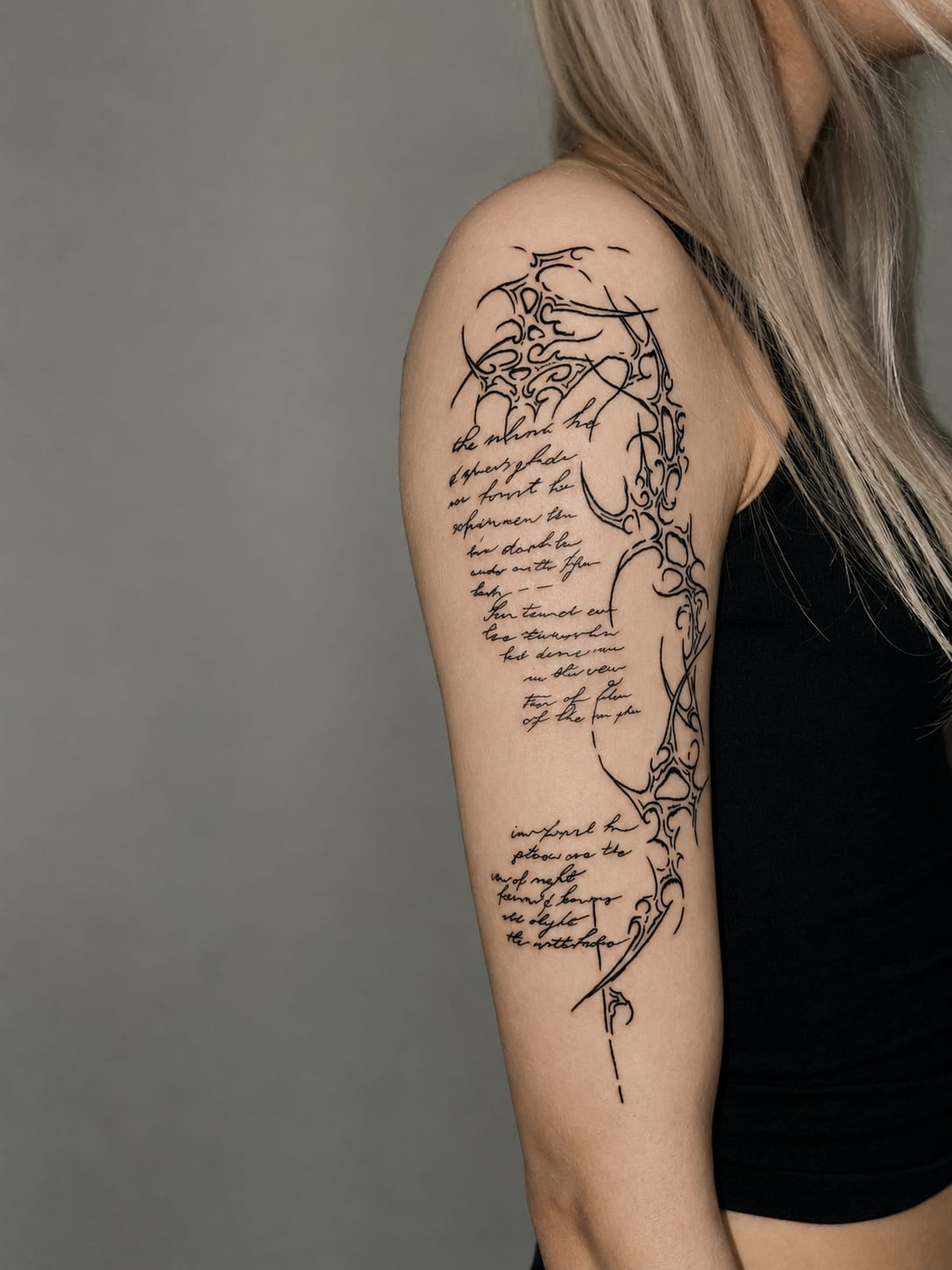
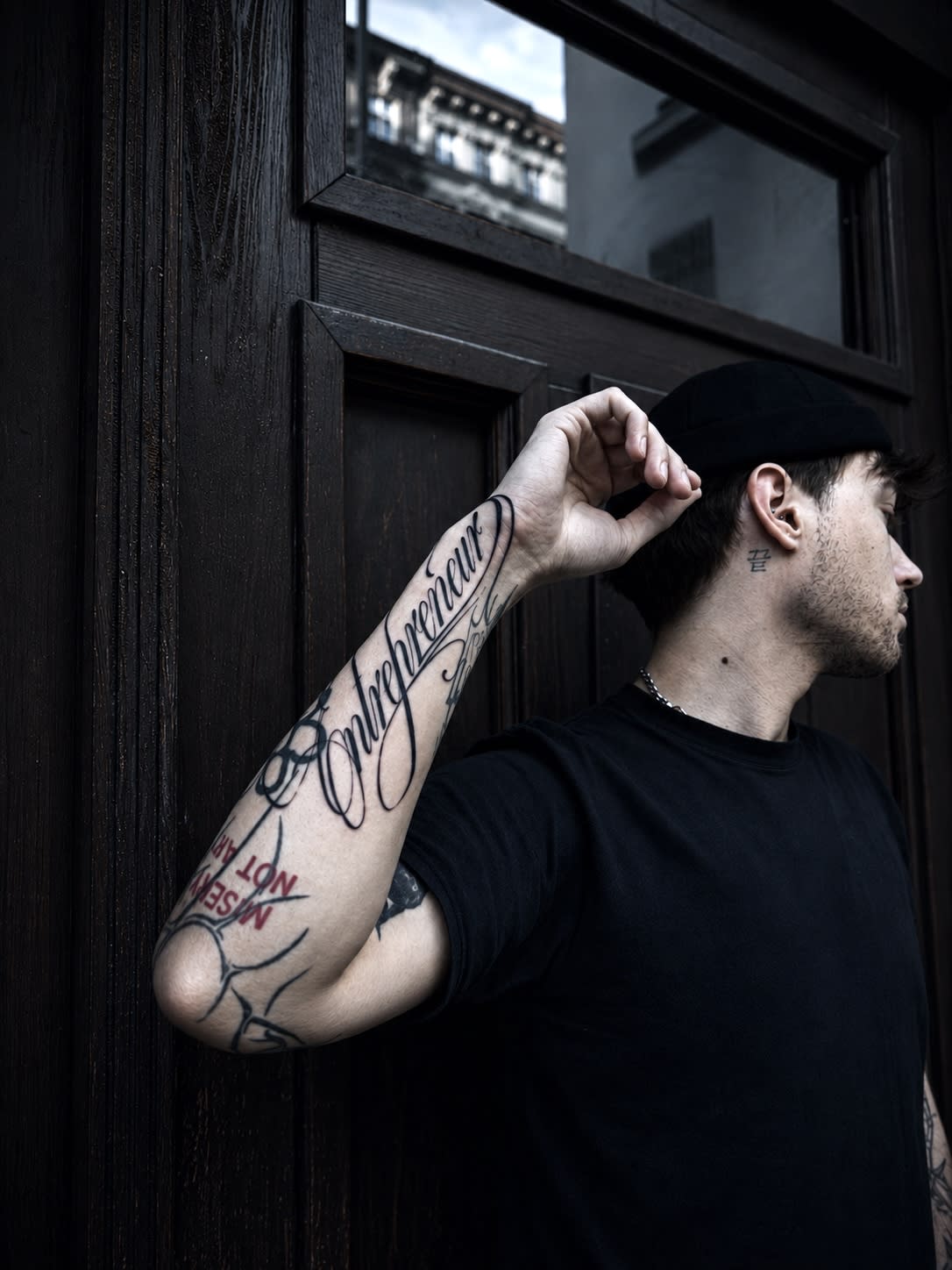
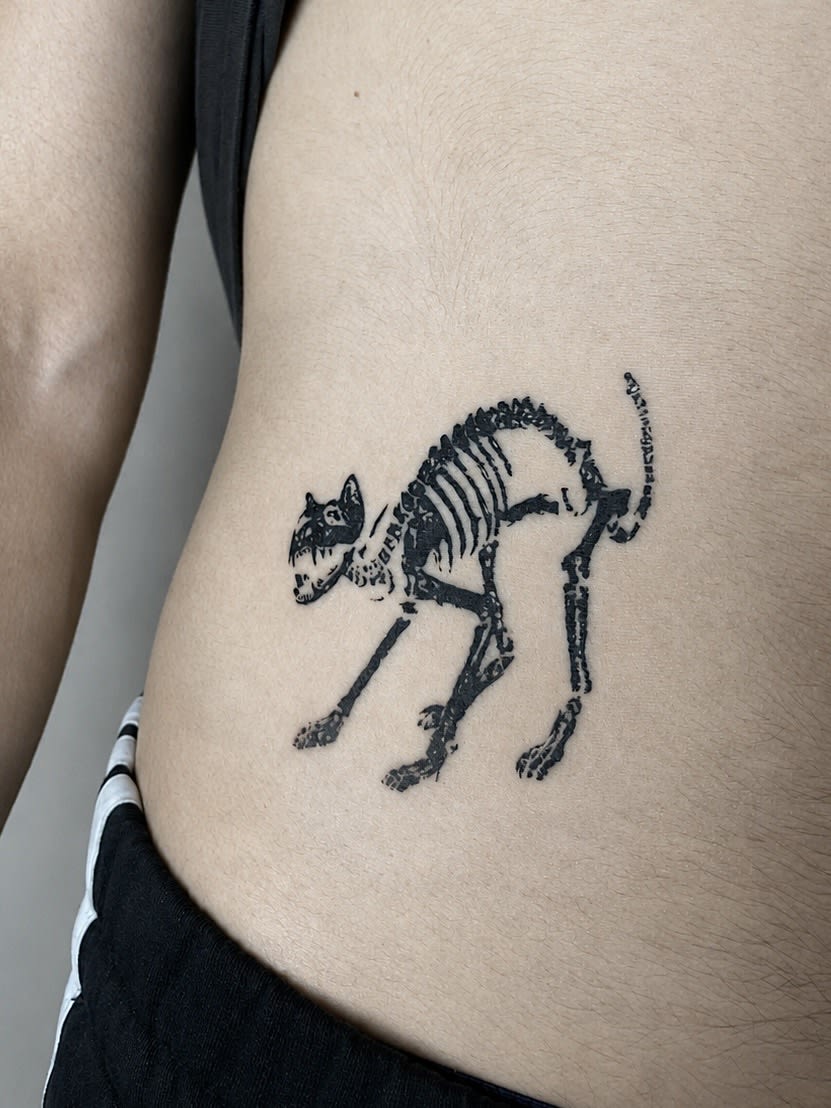

Each artist has their own specialities — see profiles and portfolios, or describe your idea in the form and we’ll match the right person.
The techniques in this gallery have their own pages — motifs, healing, prices and healed examples.
We cover old or unloved tattoos with a new design. See before-and-after transformations straight from our studio.
Practical guides by our artists — pain, aftercare and preparation. No myths, no scare stories.
Original projects waiting for an owner — each with a price and a suggested size.
The questions that matter most
Describe it in the form — we’ll suggest a style, an artist and the nearest date. The consultation and quote are free.