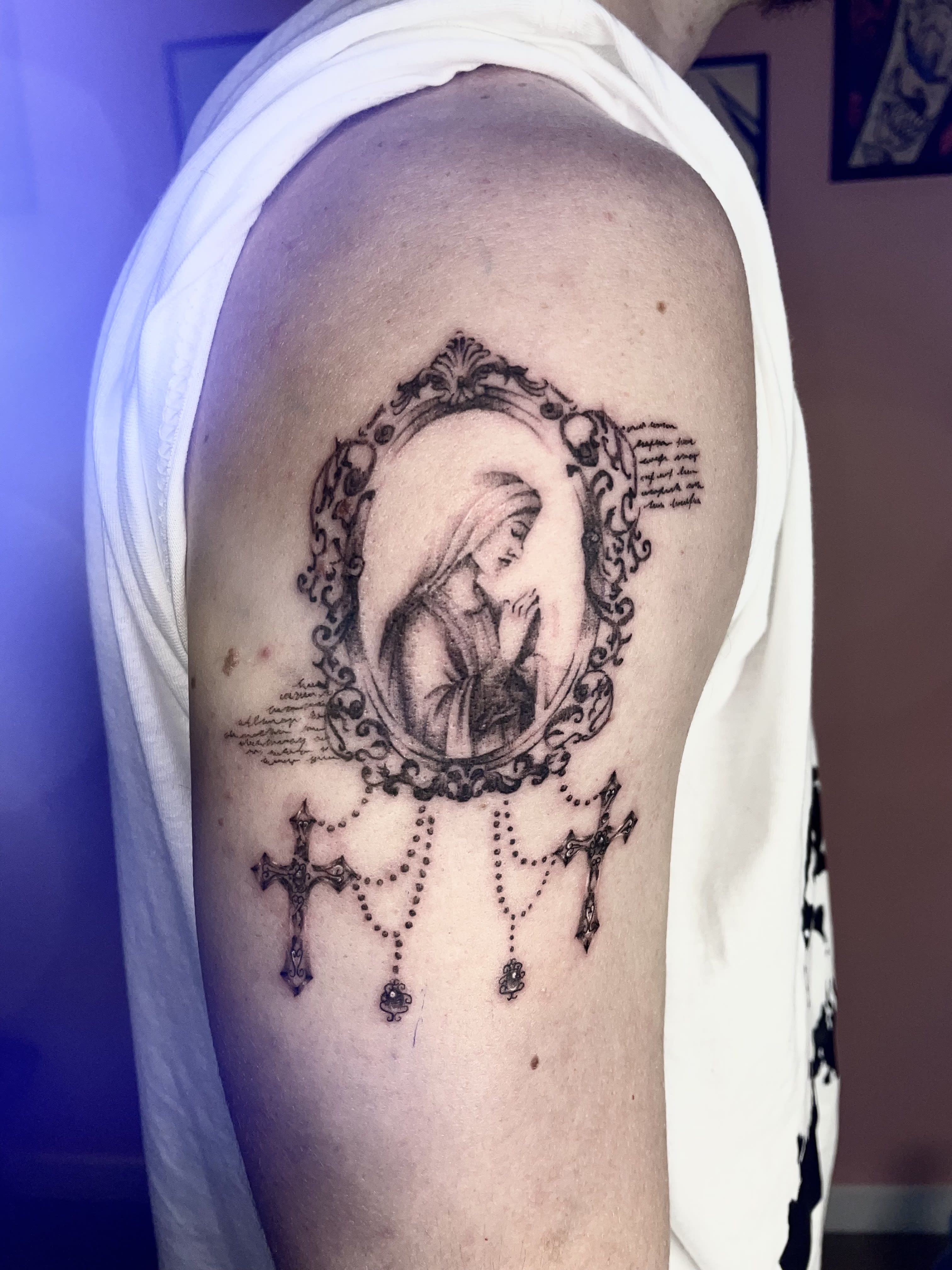
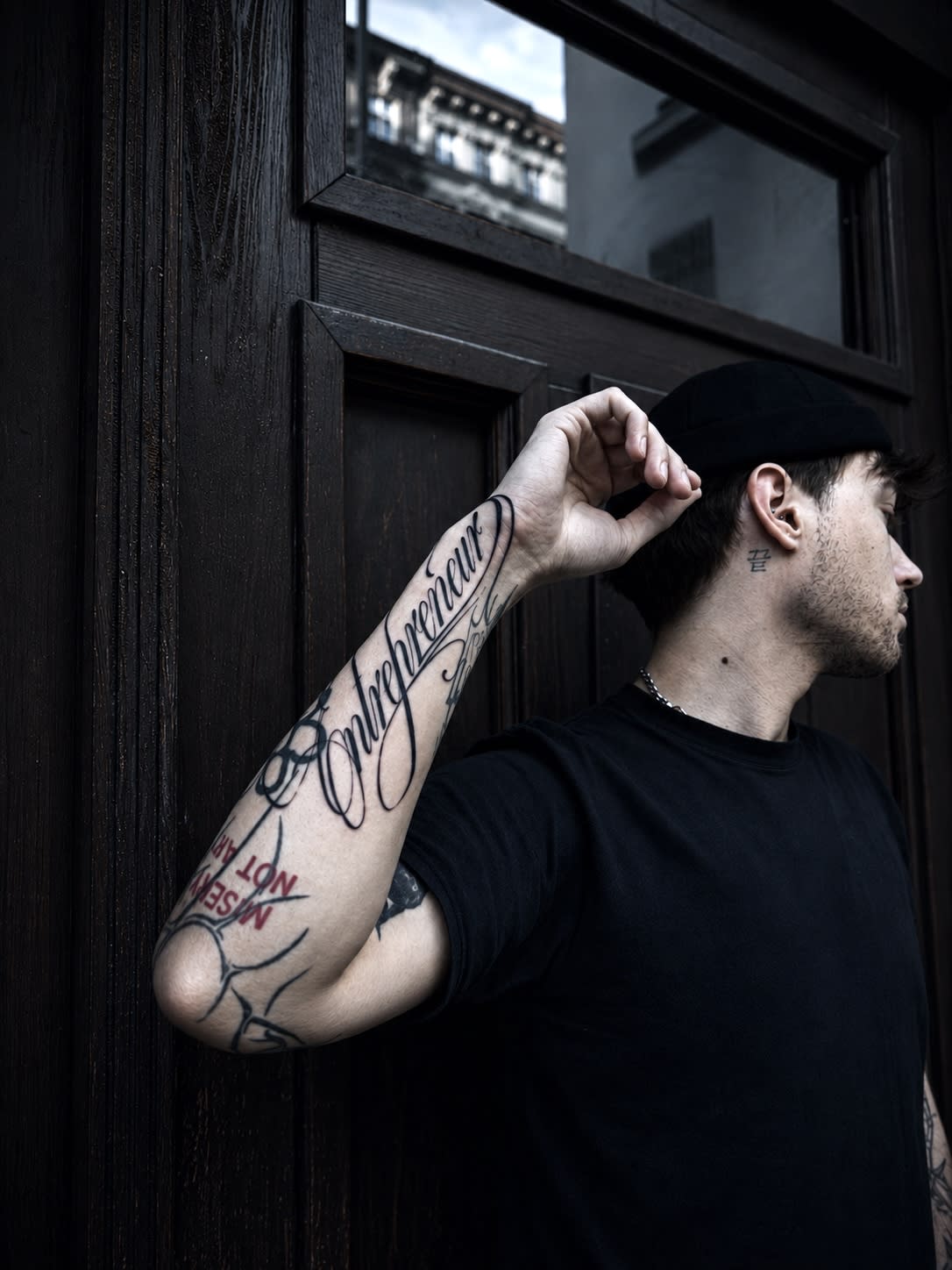
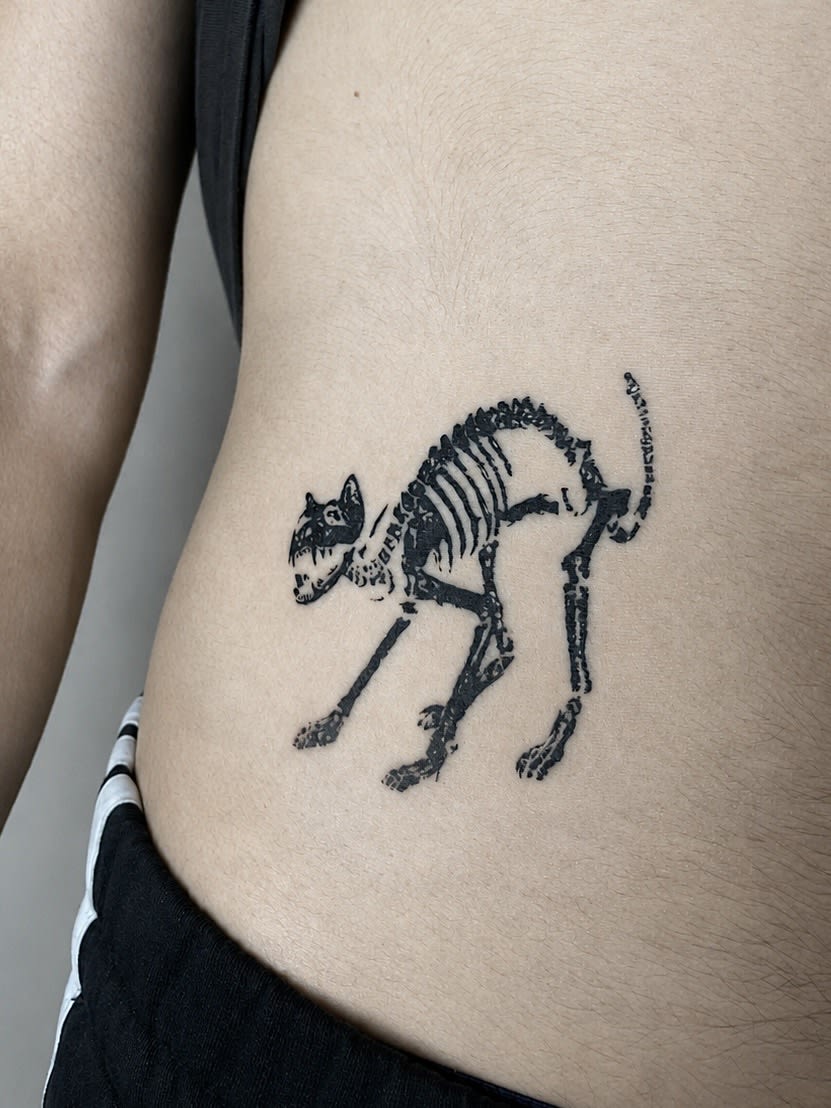
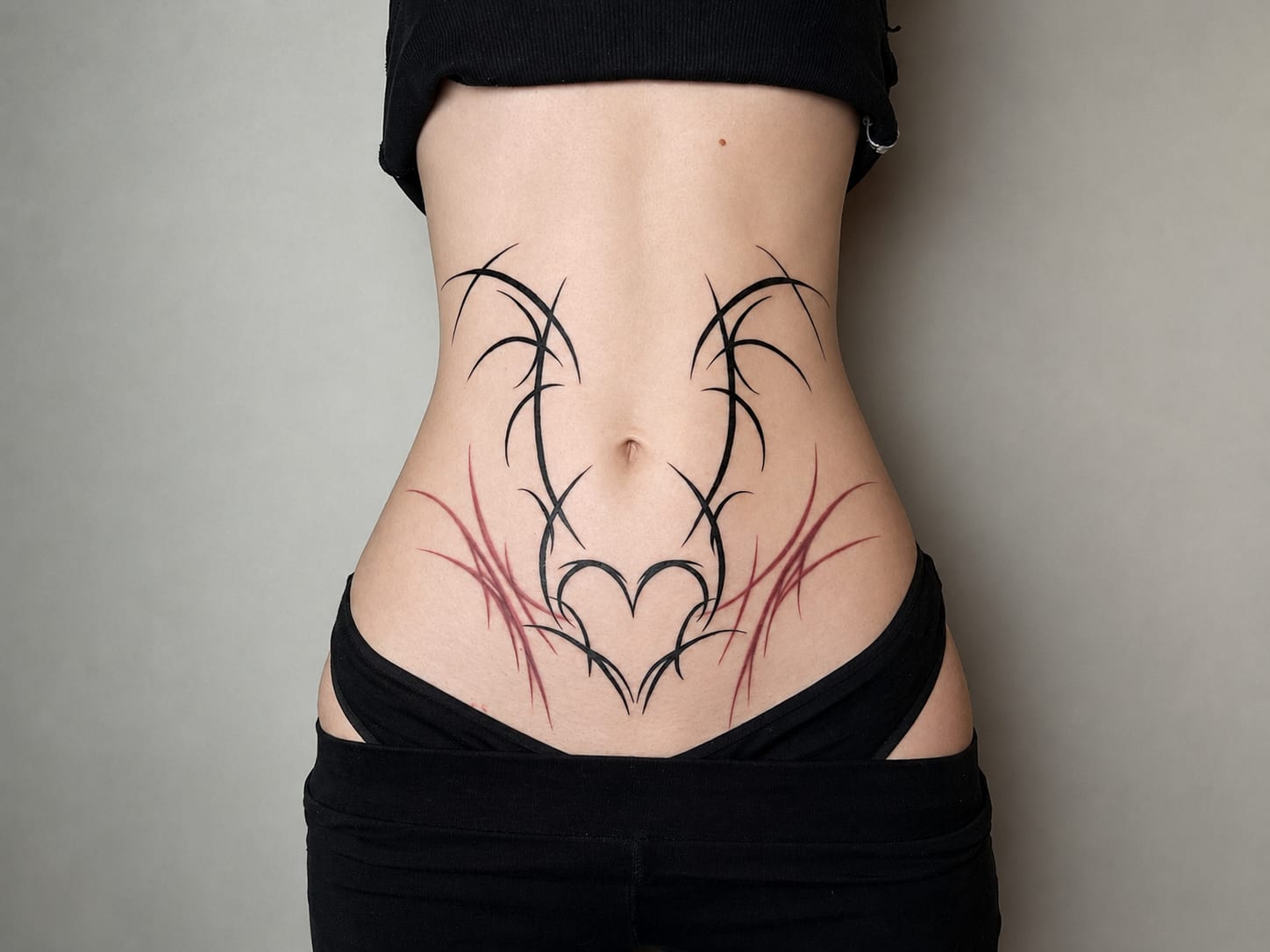
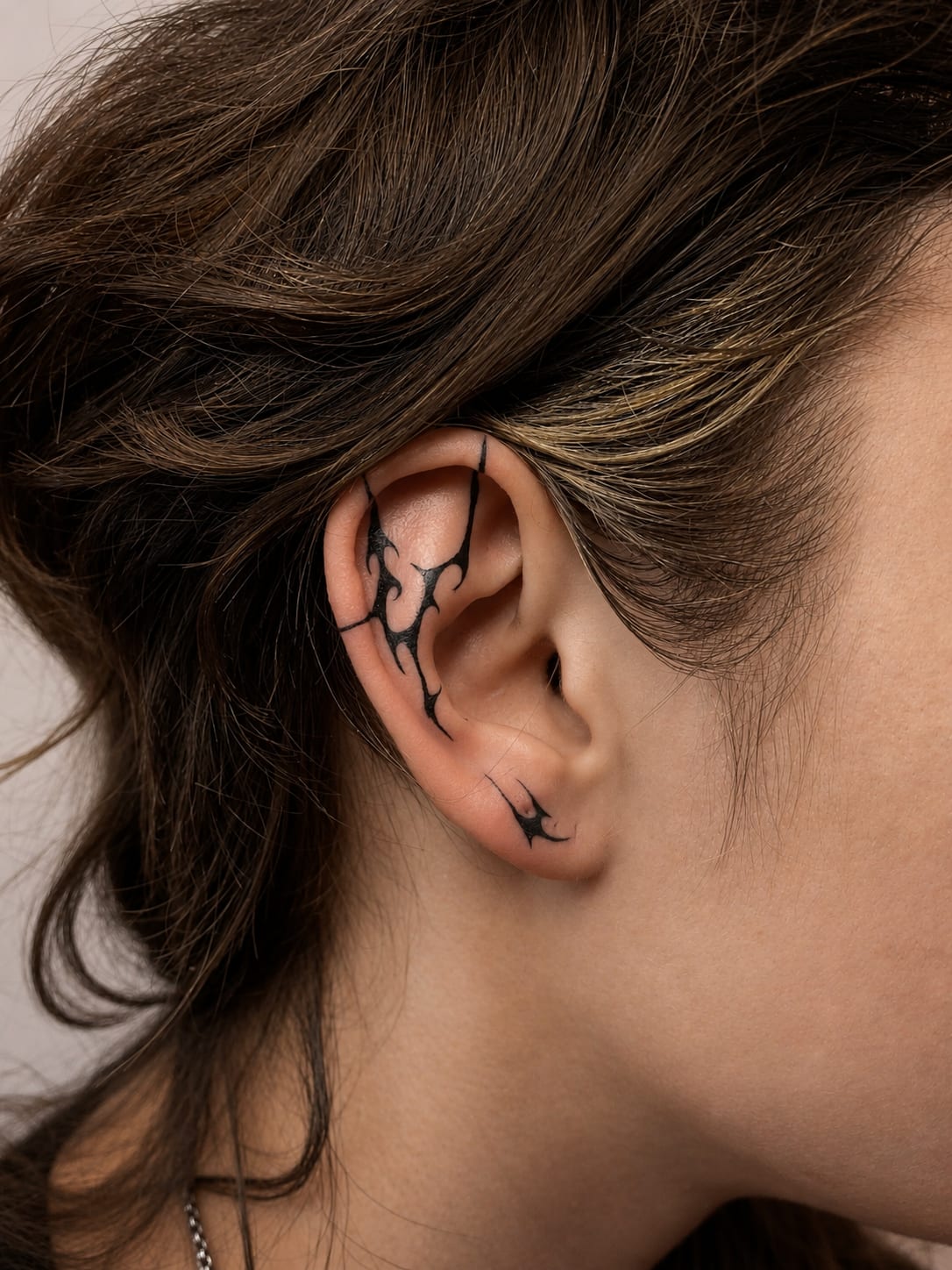
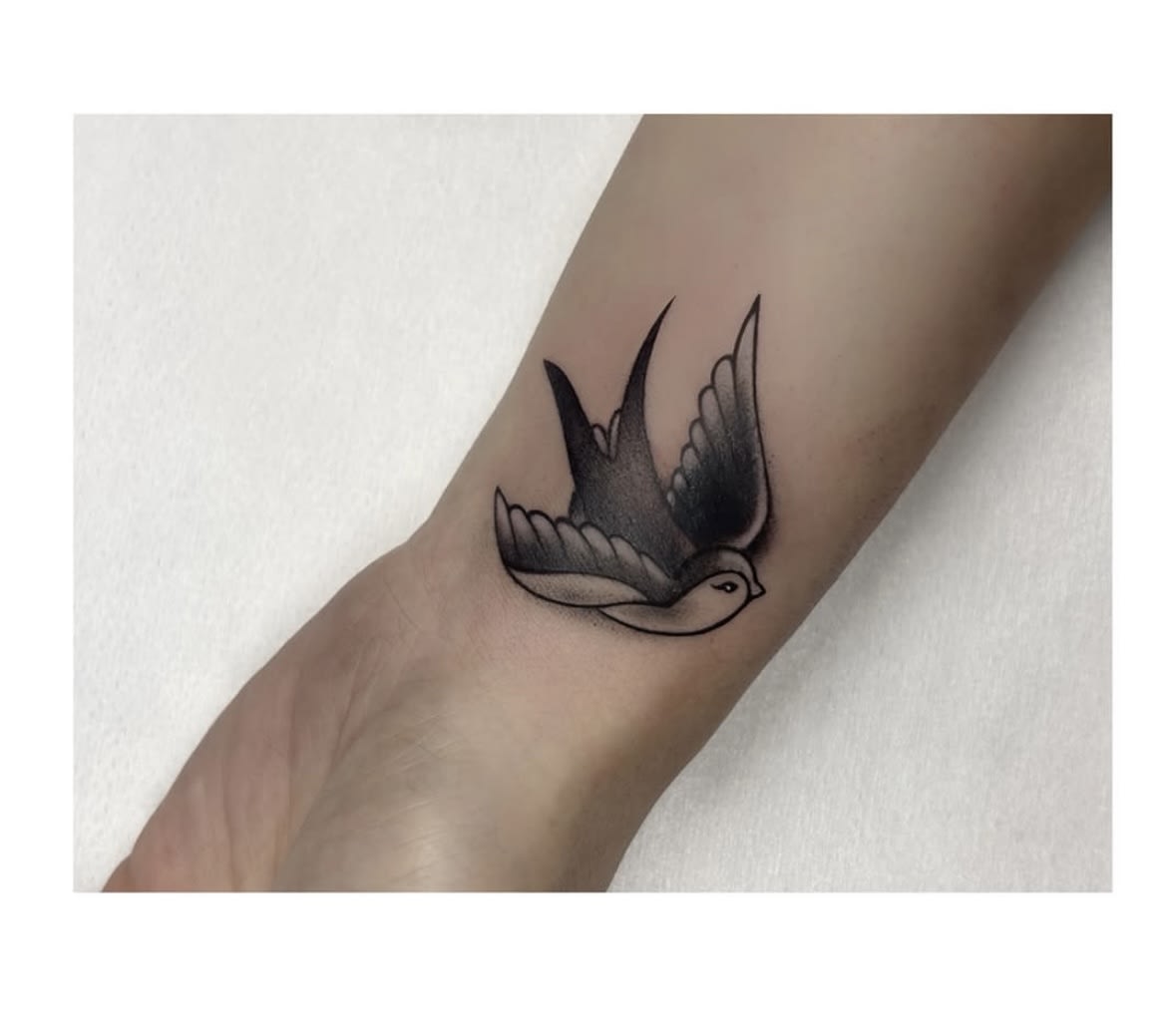
How we protect your tattoo in summer — sun, water and calm healing
Summer is the most popular season for getting a tattoo — and the hardest moment for healing one. Everything that makes holidays great is a challenge for fresh work: sun, pool, sea, sweat, sand and short sleeves. The good news: it can all be reconciled. You just need to know what really threatens a tattoo and what is only a myth — and stick to a few simple rules for the first two or three weeks. In this guide we show exactly how we protect tattoos at our studio in Wrocław — from the dressing applied right at the station, through the EZ Black Derm Shield UV dressing for high-UV days, to the habits that protect the colour for years to come.

Why summer is the hardest season for a fresh tattoo
A fresh tattoo is a controlled wound. For the first days the skin weeps plasma and ink residue, and over the next two to three weeks it rebuilds the epidermis. During this time there's no natural protective barrier yet — everything that touches the tattoo touches it 'live'.
In summer those contacts are at their peak: UV radiation hits the skin harder than in any other season, sweat keeps the wound moist, pool and lake water carries bacteria, and sand and short clothing add friction. On top of that comes the temptation to simply show the fresh piece to the world — exactly when it most needs calm.
It doesn't mean summer is a bad time to get tattooed. It only means a summer tattoo needs a plan — and you get that plan from us along with the tattoo. The rest of this guide is exactly that, laid out step by step.
What the sun really does to a tattoo — fresh and healed
UV radiation is a tattoo's most serious enemy, at both stages of its life. On fresh work it acts like an extra load on the wound: it dries out the healing skin, intensifies redness and can extend recovery by several days. A sunburn on an unhealed tattoo is a direct route to skin problems and damage to the design itself.
On a healed tattoo the sun works more slowly but relentlessly: UV gradually breaks down pigment particles, which the body then removes. You know the effect from every beach — black that turns greyish over the years, and colours that lose their vibrancy. That's why sun protection isn't a one-off duty from a leaflet, but a habit for the tattoo's whole life.
There's good news too: pigment doesn't fade just from being outdoors. It's about cumulative, unprotected exposure — and you can defend against that effectively with sunscreen, clothing and common sense.
The UV index — one number that tells you everything
The UV index is a scale from 0 to 11+ that you'll find in every weather app next to the temperature. It tells you directly how strongly the radiation acts on a given day — and it's what we base our studio decisions on when it comes to extra protection for fresh work.
Roughly: at an index of 0–2 the risk is low, 3–5 calls for care, and from 6 up a fresh tattoo should always be covered whenever you're outside. In Wrocław at the height of summer the index regularly reaches 6–8 — a level at which unprotected, healing skin catches irritation within a dozen or so minutes.
An important detail: the UV index doesn't depend on the temperature. A cloudy, cool day in June can have a higher index than a sunny afternoon in September — clouds let most of the radiation through. So watch the number, not the thermometer.
How we protect a fresh tattoo at the studio — step by step
Protecting the tattoo starts right at the workstation, before you leave the studio. After the session we thoroughly clean and disinfect the skin, then apply a sterile dressing — most often a second-skin film that seals the tattoo tightly from the outside world.
Second skin acts like a second layer of skin: it lets air through but keeps out bacteria, dirt and friction. Under the film a moist environment forms, in which the epidermis rebuilds faster and comfortably — with no scabs sticking to clothing and no accidental scratching.
Along with the dressing you get precise instructions from us: how long to wear the film, how to remove it, what to wash the tattoo with and how to moisturise it. These recommendations are always matched to the specific piece — different for delicate fine line, different for a large fill or colour — so stick to your artist's guidance, not universal advice from the internet.
EZ Black Derm Shield UV — what it is and when we apply it
In summer and on high-UV-index days we reach for extra protection: EZ Black Derm Shield UV. It's a specialist second-skin dressing designed to further limit the effect of UV radiation on healing skin — exactly what a fresh tattoo needs in the middle of summer.
The dressing is thin and flexible, adapts to the body's movements and doesn't get in the way of daily life. At the same time it creates a physical barrier against dirt, clothing friction and external factors — and its dark coating limits the radiation reaching the treated area in the first, most sensitive days.
We most often recommend it for larger pieces and when you know you'll be spending a lot of time outdoors in the coming days. Wearing time depends on the tattoo's size and placement — you'll get exact instructions after the session.
One important caveat: no dressing replaces sunscreen. EZ Black Derm Shield UV protects during the first healing stage; once it's removed and the piece has healed, SPF takes over.
The first two weeks: healing day by day
Every skin heals at its own pace, but the summer healing calendar usually looks like this:
- Day 1–3: the tattoo under the second-skin film. Plasma with ink may weep under the dressing — that's normal. Don't remove the film earlier than your artist advised.
- Day 3–7: after removing the film, wash with lukewarm water and a gentle, fragrance-free soap 2–3 times a day, then a thin layer of healing cream. The skin may flake like after sunbathing.
- Day 7–14: itching and flaking are a sign the epidermis is rebuilding. Don't scratch or peel the flakes — moisturise instead. The tattoo still can't be soaked for long or exposed to the sun.
- Week 3–4: on the surface the skin looks healed, but the deeper layers are still working. A good moment to gradually return to normal — with SPF on top.
- After full healing: at the first check-up we'll assess whether the piece healed evenly. Small touch-ups after healing are a normal part of the process and of our work.
Summer checklist — tick off before you leave home
A fresh tattoo plus heat is daily logistics. This short list handles 90% of the problems:
0/8 ticked off — your progress is saved in this browser
Water, pools, sea and lakes — when can you swim
A short shower is fine from the moment the dressing comes off — a fresh tattoo can, and even should, be washed. The problem isn't water as such, but long soaking and water full of bacteria or chemicals.
A pool means chlorine and crowds, a lake means bacteria, and the sea — though salt water has a good reputation — also means sand, sun and salt that irritates healing skin. On top of that, long soaking softens the rebuilding epidermis and can literally 'wash out' some of the pigment before it stabilises.
Our rule is simple: full immersion only after complete healing, usually after about three to four weeks. If a holiday by the water is planned earlier — tell us at the consultation, and we'll simply set the session date so you make it before the trip, or get the tattoo after you're back.
Sweat, sport, sauna and festivals — an active summer with a healing piece
Sweat itself won't destroy a tattoo, but keeping the wound in warm moisture slows healing and encourages irritation. Add to that intense training: stretching the skin, clothing friction and contact with equipment other people have used.
For the first week skip the gym and running; then return gradually, starting with exercises that don't involve the tattooed area. After every workout wash the tattoo and apply a thin layer of cream. Sauna and jacuzzi are a mix of heat, moisture and bacteria — you go back to them only with a fully healed piece.
Festivals and outdoor events are their own league: sun all day, dust, crowds and limited access to water. If you have such a weekend on the calendar, the most honest advice is: get the tattoo after it, not before. Seriously — a week's difference can decide how the piece looks for years.
Colour, black or fine line — which pieces are most sensitive to the sun
Not every tattoo reacts to the sun the same way. The most sensitive are colour pieces — especially light shades: yellows, pastels and reds fade faster than saturated black. If you wear colour, SPF should be your daily ritual, not a holiday exception.
Black and graphic work — blackwork, ornaments, tribal — age the most stably, but without protection they too lose contrast over time: the black doesn't disappear, it just greys and softens at the edges.
Fine line and micro realism are a separate category. Thin lines and micro-detail have the smallest margin: where a thick outline is still an outline after years, a hair-thin line can simply vanish from view after too many seasons without sunscreen. That's why with delicate work, sun protection is part of the design, not an add-on.
Sunscreen on a healed tattoo — how to choose and use it
Once a tattoo has healed, SPF becomes its best friend. The rules are simple: SPF 50, applied 20–30 minutes before going out and reapplied roughly every two hours — more often if you swim or sweat heavily.
The type of filter (mineral or chemical) matters less than consistency. Choose a cream that spreads well and whose scent doesn't bother you in daily use — the best sunscreen is the one you actually use.
Remember too that clothing protects better than any cream: a sleeve, a trouser leg or a hat is a filter that doesn't rub off. At the height of the season, combining both methods gives the tattoo the longest life at full saturation.
Air conditioning, flights and travelling with a fresh tattoo
Travelling with a fresh tattoo is fine — you just need to remember a few details. Air conditioning in the car, office or plane dries the air heavily, and over-dried skin heals worse and itches more. Keep cream on you and moisturise more often than usual.
On a plane and on a long journey take care of loose clothing over the tattooed area and get up from time to time — prolonged pressure and friction in one position don't serve fresh work.
If you're flying to a warmer country, all the rules from this guide apply double: the UV index there tends to be higher than in Poland, and the temptation of the beach stronger. Plan so that full immersion and full sun come only after healing.
The tattoo owner's holiday wash bag
Heading off with a fresh or healed tattoo? This short packing list saves you hunting for a pharmacy on site:
- A gentle, fragrance-free soap or wash emulsion.
- Healing cream recommended by the artist (fresh piece) or a light moisturising lotion (healed).
- SPF 50 cream — a separate, small one, permanently in your beach bag.
- Paper towels for gently drying the fresh piece.
- A loose, cotton layer for the evening, when the skin needs to rest.
- The studio's contact details — if anything worries you, message us before you start experimenting on your own.
The most common summer mistakes we see at the studio
Almost every 'after-summer' touch-up starts with one of these scenarios:
- The beach in the second week of healing — 'because it already looked healed'. The epidermis looks ready sooner than it really is.
- A pool with film 'just in case' — the film isn't waterproof armour; long soaking peels the edges and traps water under the dressing.
- Applying sunscreen to fresh work — SPF is for healed skin; on a wound it can irritate. We protect a fresh tattoo with shade and clothing.
- Peeling flaking skin — pigment can come off with it. Itchy? Moisturise and wait it out.
- Self-tanner and bronzing oils on a healing piece — chemicals and dyes are the last thing a rebuilding epidermis needs.
- No sunscreen for the rest of the tattoo's life — the most common reason black loses its depth and greys after a few years.
Planning a summer tattoo? This is how we organise it
Summer is peak season at our studio — and we know well how to reconcile a tattoo with the holidays. At the free consultation we ask not only about the motif and placement, but also about your plans: holiday, a trip by the water, a festival, a wedding. On that basis we choose a date together at which healing won't get in the way of life — nor life in the way of healing.
After the session you get the full set: a dressing matched to the piece and the weather (in summer often EZ Black Derm Shield UV), aftercare instructions and our contact details in case anything worries you. We'd rather have one question too many than one touch-up too many.
If you have a tattoo idea and a holiday calendar to reconcile — send an enquiry through the form. We'll advise the best moment before you book a date.
Summer Wrocław style — the Oder, the islands and fountains versus a fresh tattoo
A guide written in Wrocław would be incomplete without a local map of temptations. Summer in this city has its rituals — and each one needs a short user manual for the freshly tattooed.
Słodowa Island and the Oder boulevards: yes, you can sit with people until dusk — in the shade and with the piece covered. Swimming in the Oder with a fresh tattoo, on the other hand, is a 'no' even without a tattoo; the river holds bacteria you'd rather not read about.
The multimedia fountain by the Pergola: watching — absolutely, stepping into the mist with fresh work — no. The same goes for the city's water curtains in the heat: a short spritz won't cause a tragedy, but deliberately cooling the wound with city water is asking for trouble.
Bathing spots and pools — Morskie Oko, Kłokoczyce, water parks: you go back to them after full healing, i.e. the standard three to four weeks. Until then your relaxation zone is a blanket, shade and a cold drink. The dwarfs can be toured without limits — they don't chlorinate.
Local pro tip: when planning a summer tattoo, book the session so the hottest weeks of healing don't fall during your holiday by the water — at the consultation we lay out the calendar together, with the holidays in the leading role.
Frequently asked questions
Yes — provided there's a good plan. Healing in summer needs more attention (sun, sweat, water), but with proper protection and a date matched to your plans, the result is exactly the same as in winter. At the consultation we'll help set the session so it doesn't clash with your holiday.
No. It's a dressing for the first healing stage — it protects the wound from dirt and friction and limits UV exposure in the most sensitive days. Once it's removed and the tattoo has healed, protection is taken over by a high-SPF sunscreen.
It depends on the tattoo's size, the placement and your artist's individual advice — usually from a few days. You'll get precise instructions on how long to wear the film and how to remove it safely after the session.
After full healing, usually after about three to four weeks. Chlorine, bacteria and long soaking are the most common causes of healing problems. A short shower, on the other hand, is fine from the moment the dressing comes off.
Don't panic: cool the skin, moisturise it and from that moment keep the tattoo strictly in the shade. Watch the spot — if strong redness, blisters or pain appear, contact us or a doctor. After healing we'll assess whether the piece needs a touch-up.
Yes — protection after healing is exactly what decides how the tattoo looks years later. UV radiation gradually breaks down the pigment: black greys, colours fade. SPF 50 and clothing on sunny days keep the piece at full saturation for a long time.
No — a tanning bed is concentrated UV radiation, exactly what we protect healing skin from. Even after healing, a tanning bed speeds up pigment fading more than natural sun, so if you care about the colour, it's better avoided.
On a fresh one — absolutely not: dyes and chemicals irritate the rebuilding epidermis. On a healed tattoo self-tanner is safe for the pigment, but it temporarily darkens the skin, so the piece may look less contrasty until the tan fades.
You can — a bike isn't a pool. Just take care of two things: the piece can't be rubbed by a strap, backpack or clothing seam, and on a longer ride in the sun cover it with a breathable layer. Wash off sweat after the ride with lukewarm water, like after a workout.